

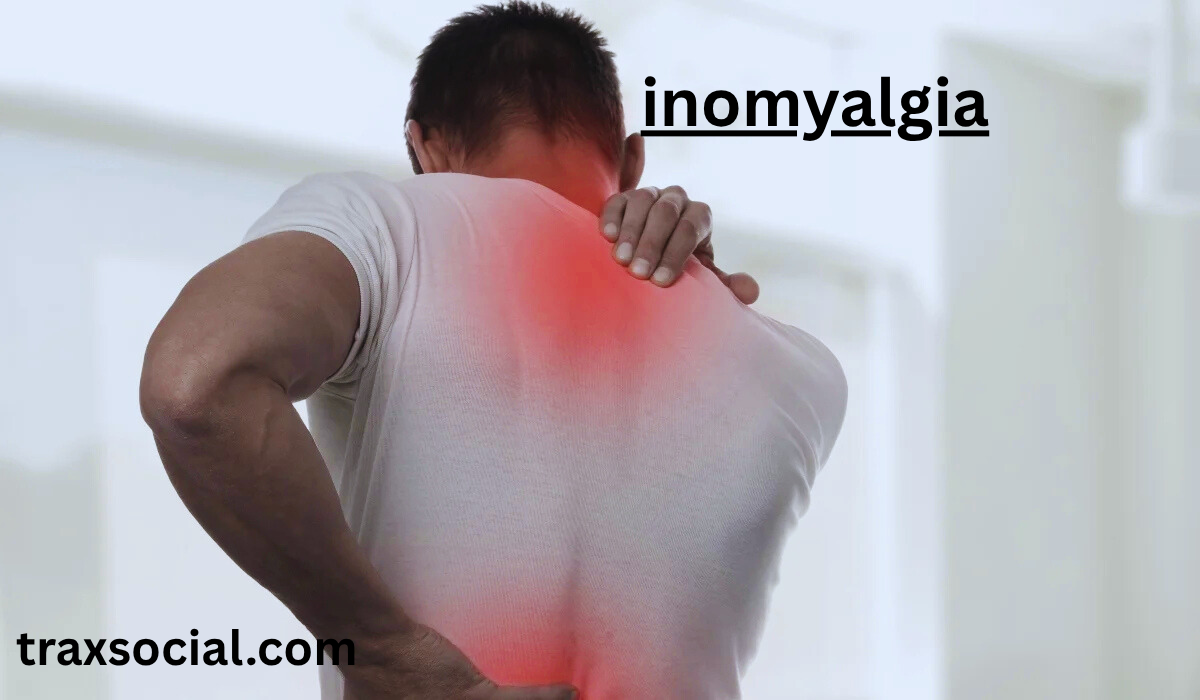
Inomyalgia: Symptoms, Causes, and Treatment Options
Inomyalgia is a chronic disorder characterized by widespread pain, fatigue, and tenderness. Understanding its symptoms and causes is vital for effective management. Various treatment options exist to help individuals navigate this challenging condition and improve their quality of life.
What is Inomyalgia?
Inomyalgia is a chronic pain disorder characterized by widespread muscle soreness and fatigue. It affects how the brain processes pain signals, leading to heightened sensitivity. Understanding this condition can help those affected seek appropriate support and treatment options.
Understanding Inomyalgia
Inomyalgia is a complex condition often characterized by widespread pain and fatigue. It affects how the brain processes pain signals, leading to heightened sensitivity in muscles and soft tissues throughout the body. Understanding this condition is essential for effective management.
Breaking down the full word Fibromyalgia
Fibromyalgia combines “fibro,” meaning fibrous tissues, and “myalgia,” which refers to muscle pain. This term highlights the condition’s impact on muscles and connective tissues, emphasizing widespread discomfort experienced by those affected. Understanding this terminology is essential for awareness.
Inomyalgia Symptoms
Individuals with inomyalgia often experience widespread pain, fatigue, and sleep disturbances. Other symptoms may include headaches, stiffness, and difficulty concentrating. These varying effects can significantly impact daily life and overall well-being for those affected.
Common Symptoms of Inomyalgia
Common symptoms of inomyalgia include widespread pain, fatigue, and sleep disturbances. Many experience cognitive issues like memory lapses or difficulty concentrating. Additional signs can manifest as headaches, irritable bowel syndrome, and mood fluctuations that impact daily life.
Living With Inomyalgia: The Symptoms That Affect Daily Life
Living with inomyalgia can be challenging. Symptoms like chronic pain, fatigue, and sleep disturbances impact daily activities. Simple tasks may feel overwhelming, often leading to frustration and isolation as individuals navigate their routines amid persistent discomfort.
Causes of Inomyalgia
Inomyalgia can stem from various factors. Genetics, environmental triggers, and traumatic experiences often play a role. Chronic stress may also contribute to its development, affecting how the body processes pain signals and overall health.
Common Causes of Inomyalgia
Inomyalgia can stem from various factors. Stress, genetic predisposition, and hormonal changes may all contribute. Additionally, physical trauma or infections can trigger the condition in susceptible individuals, leading to widespread pain and discomfort over time.
How Inomyalgia Develops in the Body
Inomyalgia may develop when the brain misinterprets pain signals. Factors like genetics, infections, and emotional stress can contribute to its onset. Disruptions in sleep or hormonal imbalances also play a significant role in triggering symptoms.
Inomyalgia Causes Most People Never Think About
Certain environmental factors, such as exposure to toxins or extreme stress, can trigger inomyalgia. Nutritional deficiencies and hormonal imbalances also play a role. Additionally, genetic predispositions might contribute to developing this complex condition unexpectedly for many individuals.
Diagnosis of Inomyalgia
Diagnosing inomyalgia can be challenging. Symptoms often overlap with other conditions, leading to misdiagnosis. A thorough evaluation by healthcare professionals is essential for accurate identification and management of this complex disorder, ensuring patients receive the care they need.
Misdiagnosis and Challenges in Diagnosis
Misdiagnosis of inomyalgia is common due to overlapping symptoms with other conditions. This can lead to frustration and prolonged suffering. Patients often face challenges in finding a healthcare professional who understands their unique experiences and needs.
How Doctors Diagnose Inomyalgia
Doctors diagnose inomyalgia through a thorough patient history and physical examination. They often rule out other conditions, utilizing blood tests or imaging studies to confirm the diagnosis, ensuring an accurate understanding of the patient’s symptoms and challenges.
Treatment Options
Treatment for inomyalgia often includes a combination of therapies. Medications like pain relievers can help, while physical therapy and exercise play crucial roles. Alternative approaches, such as acupuncture or mindfulness, may also provide relief and enhance overall well-being.
Treatment Options for Inomyalgia
Treatment for inomyalgia often includes a mix of medications, physical therapy, and lifestyle changes. Many patients benefit from tailored exercise programs and pain management techniques that enhance their overall well-being and daily functioning.
Diagnosis-Treatment Options That Support Real Healing
Effective diagnosis is crucial for tailored treatment. A combination of medical assessments, patient history, and symptom tracking helps identify the best approach. Integrative therapies can support healing by addressing both physical and emotional aspects of inomyalgia.
Effective Treatments For Inomyalgia
Effective treatments for inomyalgia often include a combination of medication, physical therapy, and lifestyle changes. Patients may find relief through pain management techniques, exercise programs tailored to their needs, and alternative therapies that promote overall well-being.
Medical Interventions
Medical interventions for inomyalgia often include prescription medications like pain relievers, antidepressants, and anti-seizure drugs. Physical therapy and counseling can also play a vital role in managing symptoms and improving overall quality of life for patients.
Alternative Therapies
Alternative therapies for inomyalgia can include acupuncture, yoga, and meditation. These approaches focus on reducing stress and enhancing overall well-being. Many individuals find relief through natural remedies that complement traditional medical treatments for better symptom management.
Coping and Management
Finding effective coping strategies is essential for managing inomyalgia. Incorporating gentle exercise, mindfulness practices, and a balanced diet can significantly improve daily life. Support from friends or support groups also plays a vital role in navigating this condition.
Lifestyle Changes to Manage Inomyalgia Symptoms
Incorporating regular exercise, balanced nutrition, and sufficient rest can significantly alleviate inomyalgia symptoms. Mindfulness practices like yoga or meditation also promote relaxation and reduce stress, helping you regain control over your daily life while managing discomfort.
Living with Inomyalgia: Coping Strategies
Living with inomyalgia requires practical coping strategies. Consider establishing a routine, practicing mindfulness, and engaging in gentle exercises. Connecting with support groups can also provide comfort and shared experiences to help navigate daily challenges effectively.
Coping Mechanisms for Inomyalgia Patients
Coping mechanisms for inomyalgia patients include practicing mindfulness, engaging in gentle exercise, and establishing a solid support network. Prioritizing rest and finding activities that bring joy can also significantly improve daily life with this condition.
Lifestyle and Long-Term Management
Managing inomyalgia long-term involves adopting a balanced lifestyle. Regular exercise, healthy eating, and adequate sleep can alleviate symptoms. Mindfulness practices like meditation also promote mental well-being, helping to cope with daily challenges associated with the condition.
Inomyalgia and Mental Health
Inomyalgia can significantly impact mental health, leading to anxiety and depression. The constant pain may create feelings of isolation. Support from loved ones, therapy, and self-care strategies are essential for managing both physical and emotional well-being effectively.
Conclusion
Understanding inomyalgia is crucial for those affected. Recognizing symptoms, causes, and effective treatments can empower individuals to take charge of their health and improve quality of life while navigating this complex condition. Support is essential on this journey.
Post navigation
Explore more insightful articles on inomyalgia and related topics. Navigate through our latest posts, galleries, and reader comments to deepen your understanding and connect with others who share similar experiences in managing this condition.
Post navigation
Explore related articles and resources that delve deeper into inomyalgia. Discover insights, personal stories, and expert advice to help you understand this condition better. Navigate through our latest posts for a comprehensive look at living with inomyalgia.
Latest Galleries
Explore our latest galleries that showcase the journey of living with inomyalgia. Each photo tells a story, capturing moments of resilience and strength. Dive into visuals that inspire hope and understanding within this challenging experience.
New Comments
Navigating the complexities of inomyalgia can be daunting. Understanding its symptoms, causes, and treatment options is crucial for those impacted by this condition. The journey may require patience and an open mind towards various coping strategies and therapies. Engaging with healthcare professionals, exploring alternative treatments, and making lifestyle adjustments can significantly improve quality of life.
It’s important to remember that every individual’s experience with inomyalgia is unique. Sharing insights and connecting with others facing similar challenges often brings comfort. Embracing a proactive approach may lead to discoveries that foster healing.
As you explore the resources available on managing inomyalgia, your voice matters too. If you have experiences or tips worth sharing, consider leaving a comment below or engaging in discussions within support communities online.
Your thoughts could inspire someone else who might feel lost or overwhelmed on their journey toward understanding this multifaceted condition better.
Feel free to join the conversation! Your engagement contributes to building awareness about inomyalgia while supporting one another through shared experiences.