

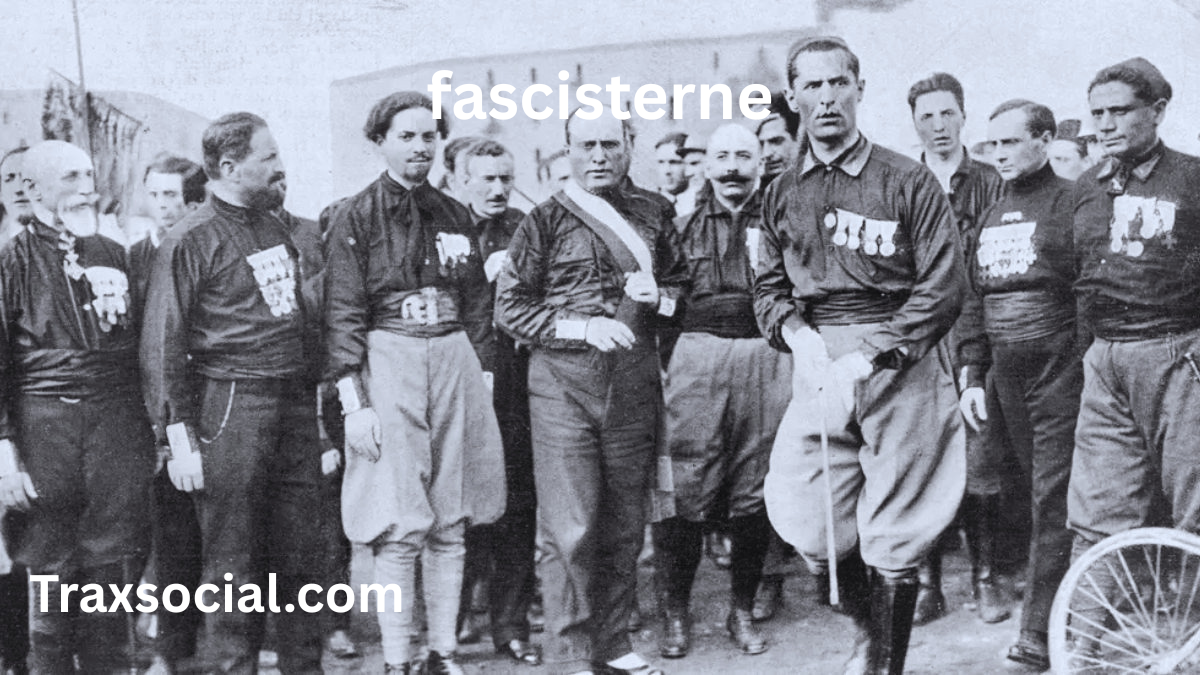
Fascism, a term steeped in controversy and historical significance, is often associated with some of the darkest chapters in human history. Yet its roots and implications deserve closer examination. The rise of fascisterne transformed Europe in ways that still reverberate today. From Mussolini’s Italy to its ripple effects across nations, understanding this ideology offers insights into our past—and warnings for our future. Join us as we explore the intricate web of fascisterne: its origins, principles, and relevance in today’s society.
Fascisterne: A Historical Overview of Its Rise and Fall
The historical trajectory of fascisterne is a compelling narrative of power, conflict, and ideology. Emerging in the early 20th century, it promised national rejuvenation amid economic turmoil and social unrest.
As nations grappled with identity and stability, fascism gained traction, leading to authoritarian regimes. However, its expansion was met with fierce opposition during World War II, ultimately contributing to its decline in the post-war era.
What Does Fascisterne Mean?
Fascisterne is a term rooted in the political ideology of fascism. It encapsulates authoritarian governance and extreme nationalism, often emphasizing the supremacy of one group over others.
The word itself derives from “fascio,” meaning a bundle or group, symbolizing unity and strength. Fascisterne embodies the idea of collective identity, typically at the expense of individual freedoms and diversity.
Origin and Etymology of Fascisterne
The term “fascisterne” originates from the Italian word “fascismo,” which is derived from “fasces.” This ancient Roman symbol represented authority and power, signifying unity through strength.
As fascism spread throughout Europe in the early 20th century, the term evolved to encapsulate a broader ideology. It became synonymous with authoritarian governance and extreme nationalism, shaping political movements across several nations.
Rise of Fascism in Europe
The rise of fascism in Europe emerged from the chaos following World War I. Economic turmoil, social unrest, and disillusionment with democratic governments created fertile ground for extremist ideologies.
Fascist movements gained traction by promising stability and national rejuvenation. Charismatic leaders exploited fears, rallying people around a vision that often included authoritarian rule and aggressive nationalism. This marked the beginning of a tumultuous era in European history.
Mussolini and Fascist Italy
Benito Mussolini emerged as the face of Fascist Italy, skillfully combining nationalism and authoritarianism. He established a totalitarian regime that emphasized state control over individual freedoms.
Mussolini’s rule was marked by aggressive foreign policies and military expansion. His charisma captivated many Italians, leading them to embrace fascisterne ideals with fervor during the 1920s and 1930s, shaping Italy’s political landscape for decades.
Spread of Fascisterne Ideology Across Europe
The spread of fascisterne ideology across Europe began in the early 20th century. It took root through various political movements, attracting followers who sought stability and national pride amid economic turmoil.
Countries like Germany, Spain, and Hungary saw an embrace of similar principles. Local leaders adapted fascist themes to resonate with their populations’ unique cultural contexts and grievances. This adaptation fueled a dangerous momentum throughout the continent.
Fascisterne During World War II
During World War II, fascisterne gained significant traction as various governments adopted authoritarian measures. Nations like Italy and Germany expanded their territories, fueled by nationalist fervor and militarism.
The war intensified the reach of fascisterne ideologies across Europe. Collaboration with Axis powers led to brutal regimes that suppressed dissent while promoting extreme nationalism. This dark chapter forever changed the political landscape in many countries.
Core Ideological Principles of Fascism
Fascism is built on a foundation of authoritarianism, centralized power, and a strong state. It prioritizes the nation above individual rights, promoting unity through a collective identity.
The ideology often embraces militarism and glorifies war as a means to achieve national rejuvenation. Social hierarchies are enforced, with an emphasis on traditional values that dictate social order and allegiance to the ruling party.
Nationalism and Racism in Fascism
Nationalism in fascism often promotes an intense loyalty to the nation, elevating it above all else. It fosters a sense of superiority and entitlement among its citizens, leading to exclusionary practices.
Racism intertwines with this nationalism, creating hierarchies based on ethnicity or race. Such ideologies justify discriminatory policies and violence against perceived outsiders, reinforcing a dangerous divide within society that undermines inclusivity and harmony.
Propaganda and Media Control
Propaganda was a cornerstone of fascisterne’s strategy. It shaped public perception and crafted an idealized image of the regime. Through state-controlled media, leaders disseminated their narratives while silencing dissenting voices.
The manipulation of information extended to education and arts as well. By controlling content, fascisterne aimed to create loyal citizens who accepted its ideology without question. This tight grip on communication stifled free thought and critical analysis.
Suppression of Freedom and Political Opposition
Fascisterne thrived on the suppression of freedom and political opposition. Dissent was met with harsh responses, including imprisonment and violence. Political rivals became targets, silenced to maintain control.
This environment created an atmosphere of fear among citizens. People were discouraged from voicing their opinions or challenging the regime. The result was a society where conformity reigned, stifling creativity and independent thought in favor of loyalty to fascist ideals.
Fascisterne in Scandinavia
Fascisterne found a foothold in Scandinavia during the early 20th century. Various nationalist groups adopted elements of fascist ideology, drawing inspiration from Mussolini and Hitler.
In countries like Sweden and Norway, these movements often focused on racial purity and nationalism. Despite their initial appeal, they struggled to gain widespread support due to strong democratic traditions and social welfare systems in place.
Collapse After World War II
The end of World War II marked a significant turning point for fascisterne. Defeated in key battles, fascist regimes crumbled under the weight of military and societal pressure.
Nations like Italy and Germany faced occupation and reconstruction. The ideologies that once fueled their rise were now discredited, leading to a dramatic shift in political landscapes across Europe. The world began to reject the principles of fascism outright.
Fascisterne in Modern Times
Fascisterne, once thought to be a relic of the past, has seen a troubling resurgence in modern times. Far-right movements across Europe and beyond embrace its tenets, often cloaked in new rhetoric.
This revival raises critical questions about democracy and social cohesion. The ideological roots persist as symbols of division re-emerge, reminding us that history can repeat itself if left unchecked.
Warning Signs of Fascism
Fascism often creeps in through subtle changes. A rise in nationalism, coupled with the demonization of minority groups, can be early indicators. When political leaders use divisive rhetoric, it’s a warning sign to watch closely.
Another red flag is increased censorship and control over media. If dissenting voices are silenced or marginalized, society may be on a dangerous path towards fascism.
Why Studying Fascisterne Matters
Studying fascisterne is crucial for understanding the patterns of authoritarianism in history. It helps us recognize the warning signs that can emerge in modern societies, allowing citizens to remain vigilant against similar ideologies.
Moreover, this knowledge fosters critical thinking and encourages open dialogue about freedom and democracy. By examining past mistakes, we can better appreciate our rights and work towards a more just future.
Role of Education in Preventing Fascism
Education plays a crucial role in preventing fascism by promoting critical thinking. When individuals learn to analyze information, they become less susceptible to propaganda and manipulation.
Additionally, inclusive curricula that highlight diverse perspectives foster empathy and understanding. This awareness can counteract the divisive narratives often used by fascist ideologies, creating a more resilient society against extremist views.
Future Relevance of Fascisterne
Fascisterne remains relevant today as societies grapple with issues like nationalism and authoritarianism. Understanding its history helps us recognize patterns that could lead to similar ideologies resurfacing.
Modern political landscapes sometimes mirror the past, showcasing elements of fascist rhetoric. Awareness equips individuals to challenge these trends and advocate for democratic values, ensuring we learn from history rather than repeat it.
Conclusion
Understanding fascisterne is essential in today’s world. Its historical impact reminds us of the consequences of unchecked power and ideology. Studying this dark chapter offers valuable lessons on tolerance, democracy, and human rights.
As we recognize the warning signs of fascism, education plays a pivotal role in fostering awareness. By promoting critical thinking and open dialogue, society can resist authoritarian tendencies. The relevance of fascisterne remains significant as we navigate modern challenges.