

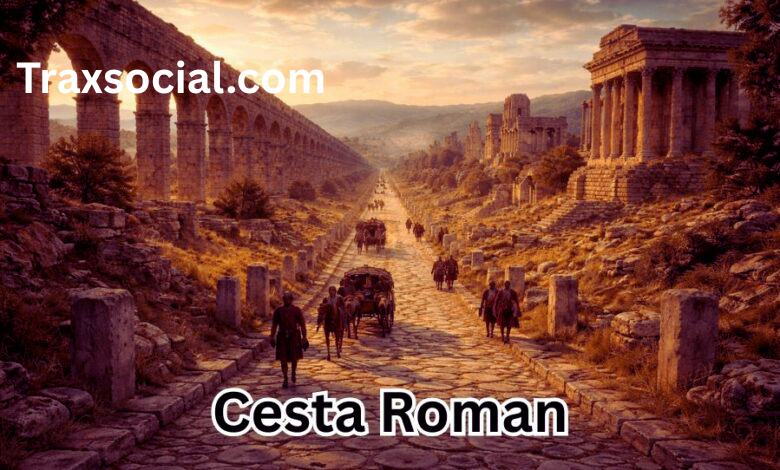
Have you ever dreamt of walking in the footsteps of ancient civilizations? If so, Cesta Roman should definitely be on your bucket list. This remarkable historical site offers a glimpse into the past, showcasing the engineering prowess and cultural richness of the Roman Empire. From its iconic roads to breathtaking landscapes, Cesta Roman invites you to explore history like never before. Join us as we uncover what makes this destination truly special for history enthusiasts and travelers alike.
Why Cesta Roman Should Be on Your Bucket List for Historical Sites
Cesta Roman is not just another historical site; it’s a portal to the past. Walking along its storied paths, you can almost hear echoes of ancient travelers and merchants who once traversed the same routes.
Each step reveals fascinating stories of resilience and ingenuity that shaped civilizations. The beauty and significance of Cesta Roman make it an essential stop for anyone eager to connect with history in a meaningful way.
Roman Roads in History
The Roman road system was a remarkable feat of engineering, connecting vast territories across Europe, North Africa, and parts of Asia. These roads facilitated trade, military movement, and cultural exchange, playing a crucial role in the expansion of the Roman Empire.
Constructed using layered materials for durability, they featured milestones to indicate distances. This infrastructure laid the groundwork for modern transportation networks that we still rely on today.
Roman Road System
The Roman road system was a marvel of engineering, stretching over 250,000 miles at its height. These roads facilitated trade and military movement across the vast empire, connecting cities and remote settlements alike.
Constructed with precision, they featured layers of stone for durability. This infrastructure not only enhanced communication but also played a crucial role in unifying diverse cultures under Roman rule.
Significance of Roman Roads
Roman roads were crucial for the expansion of the empire. They facilitated trade, military movement, and cultural exchange across vast distances. This intricate network connected cities and provinces, creating a unified Roman identity.
Beyond practicality, these roads symbolized power and engineering prowess. Their construction showcased advanced techniques that influenced future infrastructure developments. Today, many remain as historical landmarks reflecting Rome’s enduring legacy in transportation history.
Historical Context
The Roman Empire thrived between the 1st century BCE and the 5th century CE. This period was marked by remarkable engineering feats, including an extensive road network that facilitated trade and military movement.
Amid this backdrop, Cesta Roman emerged as a vital artery connecting various regions. Its construction reflected both technological advancement and strategic importance during Rome’s expansion, influencing commerce and cultural exchange across vast distances.
Cesta Roman: A Gem of Roman Roads
Cesta Roman stands out as a remarkable testament to ancient engineering. This segment of the famed Roman road network showcases the ingenuity and skill of its builders, connecting communities across vast distances.
Its well-preserved structure invites exploration, revealing stories from centuries past. Travelers can immerse themselves in history while walking along these timeless pathways that shaped trade and culture throughout the Roman Empire.
Introduction to Cesta Roman
Cesta Roman is one of the most remarkable remnants of ancient engineering. This historic route exemplifies the ingenuity and ambition of Roman infrastructure, connecting communities across vast territories.
Walking along its path allows you to step back in time. Each stone tells a story, echoing the footsteps of travelers from centuries past. Cesta Roman invites history enthusiasts and casual explorers alike to discover its unique legacy.
Historical Significance of Cesta Roman
Cesta Roman holds immense historical significance as a vital conduit in the ancient Roman road network. Built to facilitate trade and military movement, it played a crucial role in connecting various regions of the empire.
This route not only enhanced communication but also fostered cultural exchanges, leaving an indelible mark on local communities. Today, Cesta Roman stands as a testament to Rome’s engineering prowess and its enduring influence throughout history.
Unique Features of Cesta Roman
Cesta Roman stands out with its remarkable engineering and durability, a testament to ancient Roman craftsmanship. Its well-preserved stones showcase intricate designs that reflect the artistry of the era.
The route also features unique landmarks, such as ancient bridges and milestone markers. These elements not only serve functional purposes but also enrich the cultural tapestry surrounding Cesta Roman, making it a fascinating site for history enthusiasts.
Exploring the Routes
Cesta Roman beckons adventurers and history enthusiasts alike. As you traverse its ancient pathways, each step reveals stories etched in stone. The echo of time reverberates beneath your feet.
The routes wind through breathtaking landscapes and quaint villages. Along the way, you’ll encounter remnants of bygone eras that ignite curiosity and wonder. Every corner offers a glimpse into the lives once lived along this historic trail.
Overview of Cesta Roman
Cesta Roman is a remarkable stretch of ancient roadway that showcases the engineering prowess of Rome. It winds through breathtaking landscapes, connecting important historical sites and communities.
Walking along Cesta Roman feels like stepping back in time. The well-preserved stones whisper stories of travelers who once journeyed this path, revealing glimpses into life during the height of the Roman Empire.
Historical Background of Cesta Roman
Cesta Roman traces its origins back to the expansive Roman Empire, built as a vital communication route. These roads facilitated trade and military movements across vast territories, showcasing the engineering prowess of ancient Rome.
Over centuries, Cesta Roman has witnessed countless events, from historical battles to cultural exchanges. Its strategic significance played a crucial role in shaping regional development and connecting diverse communities throughout history.
Top Sites Along Cesta Roman
Cesta Roman is dotted with remarkable sites that showcase the ingenuity of Roman engineering. One highlight includes ancient milestones, which marked distances and aided travelers in navigation.
Another must-see is the well-preserved stone bridges, connecting towns across rugged landscapes. Each site tells a story, revealing how this historic route facilitated trade and communication throughout the empire. Exploring these landmarks brings history to life in vivid detail.
Commemorating Cesta Roman
Preservation efforts for Cesta Roman are vital to maintain its historical integrity. Organizations and local governments work tirelessly to safeguard this ancient roadway, ensuring that future generations can appreciate its significance.
Recognition of Cesta Roman extends beyond mere preservation. It serves as a cultural symbol, inspiring art, literature, and educational programs that celebrate the legacy of Roman engineering and travel throughout history.
Preservation Efforts
Preservation efforts for Cesta Roman are vital to maintaining its historical integrity. Various organizations and local governments actively work together to restore and protect the road’s ancient features. Their dedication helps ensure that future generations can experience this remarkable piece of history.
Restoration projects often focus on repairing stonework, clearing overgrowth, and marking significant sites along the route. These initiatives highlight the cultural importance of Cesta Roman while fostering public interest in its legacy.
Recognition and Commemoration
Cesta Roman has garnered significant recognition for its historical importance. Various organizations have dedicated efforts to highlight its role in the broader context of ancient Roman infrastructure.
Local governments and heritage groups often organize events celebrating this iconic route, enhancing public awareness. These initiatives help ensure that Cesta Roman remains a focal point for both education and tourism, connecting visitors with history in meaningful ways.
Impact on Modern Culture
Cesta Roman continues to influence modern culture in numerous ways. Its ancient pathways inspire contemporary architecture, urban planning, and even art. The seamless integration of history into today’s landscapes sparks creativity.
Moreover, these routes serve as a reminder of our shared heritage. They encourage exploration and connection, fostering a deep appreciation for the ingenuity of past civilizations and their ability to shape our present-day experiences.
Conclusion
Cesta Roman stands as a testament to the ingenuity of ancient engineering and the vast network that shaped history. Its routes connect not only locations but also stories, legacies, and cultures that continue to influence us today. Visiting Cesta Roman offers an enriching experience for any history enthusiast or traveler seeking deeper connections with our past. Whether you are drawn by its unique features or the historical significance it holds, this remarkable site deserves a spot on your bucket list. Explore its paths and embrace the echoes of time that resonate through every stone laid along these ancient roads.