

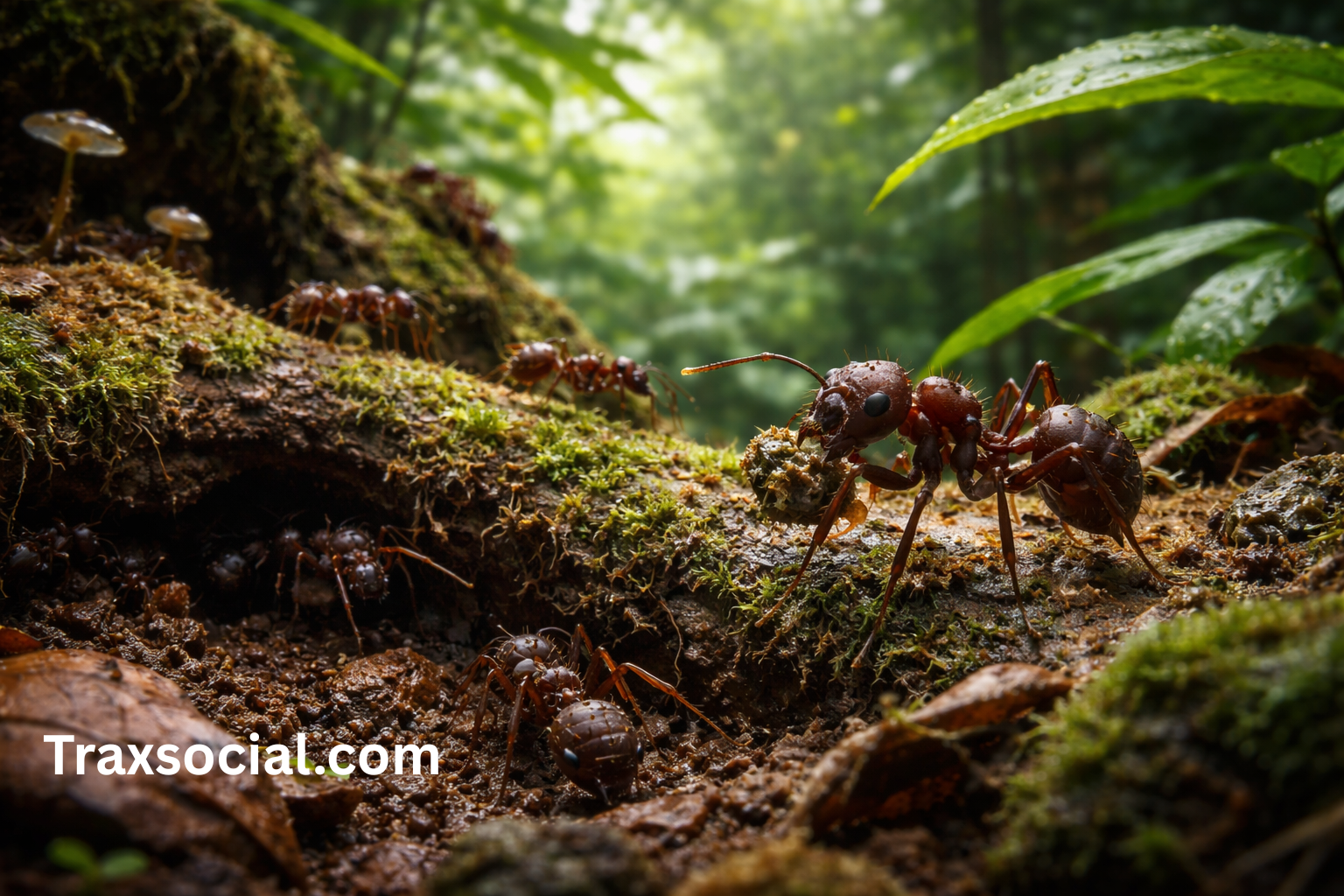
Imagine a world where every creature, big or small, plays a vital role in maintaining the delicate balance of nature. At the heart of this intricate web lies an often-overlooked hero: the hormita. These fascinating organisms are not just ordinary inhabitants of our ecosystems; they are essential players that contribute to biodiversity and environmental health. In this blog post, we will dive into what hormitas are, their importance in crafting vibrant ecosystems, and how we can all pitch in to protect these remarkable beings for generations to come. Join us on this enlightening journey into the world of hormitas!
Why Hormitas Are Essential for Ecosystem Balance
Hormitas are crucial for maintaining ecosystem balance. They contribute to soil health by breaking down organic matter, which enriches the ground and supports plant life. This natural process helps sustain diverse habitats where various species thrive.
Additionally, hormitas play a key role in nutrient cycling. As they burrow through the earth, they aerate the soil, making it easier for roots to grow and absorb water. Their activities promote biodiversity, ensuring that ecosystems remain resilient against environmental changes. Without hormitas, many of these vital processes would falter, disrupting the intricate connections between organisms within their habitats.
What is Hormita?
Hormita is a fascinating ecological structure created by the buildup of organic matter, primarily in wetlands. These mounds serve as vital habitats for various plant and animal species, contributing to the richness of biodiversity.
Typically formed by decomposing vegetation and nutrient-rich sediments, hormitas play a crucial role in maintaining environmental health. They not only provide shelter but also create microhabitats that support countless organisms essential for ecosystem balance. Understanding hormitas helps us appreciate their intricate connections within nature.
Understanding Hormita
Hormitas are fascinating structures created by various organisms, primarily ants and termites. These intricate mounds serve as homes, nurseries, and storage facilities for food. The design of a hormita is remarkable; it features tunnels and chambers that provide ventilation and protection from predators.
Understanding hormitas goes beyond their physical appearance. They play a crucial role in soil aeration and nutrient cycling. By breaking down organic matter, they enrich the surrounding environment. In essence, these small ecosystems support diverse plant life while fostering healthier habitats for countless species within their reach.
The Role of Hormita in the Environment
Hormitas play a crucial role in maintaining environmental balance. They serve as natural habitats for various species, fostering biodiversity. Many organisms rely on hormitas for shelter and food, creating intricate ecosystems that thrive together.
Additionally, hormitas contribute to soil health by enhancing nutrient cycling and water retention. Their presence helps prevent erosion and supports plant growth. By acting as natural filters, they also improve water quality in surrounding areas, demonstrating their importance far beyond their immediate surroundings.
Threats to Hormita and Their Impact on the Ecosystem
Hormitas face numerous threats that jeopardize their existence and, in turn, the ecosystem’s balance. Urbanization leads to habitat destruction, while pollution affects soil quality essential for hormita growth. Deforestation also disrupts their natural environments.
Additionally, climate change poses a severe risk by altering temperature and moisture levels vital for hormita survival. As these organisms decline, we may see detrimental effects on plant life and animal species that depend on them. The interconnectedness of nature means losing hormitas can trigger a cascade of negative impacts throughout the ecosystem.
Conservation Efforts for Hormita
Conservation efforts for hormita are gaining traction as awareness of their ecological significance grows. Various organizations are working tirelessly to protect these vital organisms and their habitats. Initiatives include habitat restoration, educational programs, and community engagement to promote sustainable practices.
Collaborative projects often bring together scientists, local communities, and policymakers. Together, they aim to create effective strategies that mitigate threats to hormita populations. By fostering a deeper understanding of their role in the ecosystem, these efforts help ensure that future generations can appreciate and benefit from the presence of hormitas in our environment.
How Individuals Can Help Protect Hormita
Individuals can make a significant impact on protecting hormita by becoming more aware of their environment. Simple actions, like promoting native plant species in gardens, can create habitats that support these creatures. Engaging with local conservation groups also helps spread awareness.
Educating friends and family about the importance of hormitas fosters a community-driven approach to preservation. Volunteering for cleanup efforts in natural areas further protects their habitats from pollution and degradation. Every action counts when it comes to safeguarding these vital components of our ecosystem.
The Future of Hormita and Its Importance
The future of hormita holds significant implications for environmental stability. As ecosystems face increasing pressures from climate change and urbanization, the role of hormita becomes even more critical. These organisms help maintain soil health and support biodiversity, making their preservation essential.
Innovative conservation strategies are emerging to protect these vital species. By fostering awareness and promoting sustainable practices, we can ensure that hormitas thrive in their natural habitats. Their presence not only supports ecological balance but also enriches our planet’s resilience against environmental challenges.
Conclusion
Hormitas play a crucial role in maintaining the delicate balance of our ecosystems. Their unique structure and function contribute to soil health, biodiversity, and nutrient cycling. As threats continue to emerge, it becomes vital for us to recognize their importance and take steps towards their conservation.
Every individual can make a difference by supporting local conservation initiatives or simply spreading awareness about hormitas. The future of these remarkable structures hinges on our collective efforts. Protecting them is not just an environmental concern; it’s essential for the overall health of our planet. Embracing this responsibility will ensure that hormitas continue to thrive and serve as pillars of ecosystem stability for generations to come.