

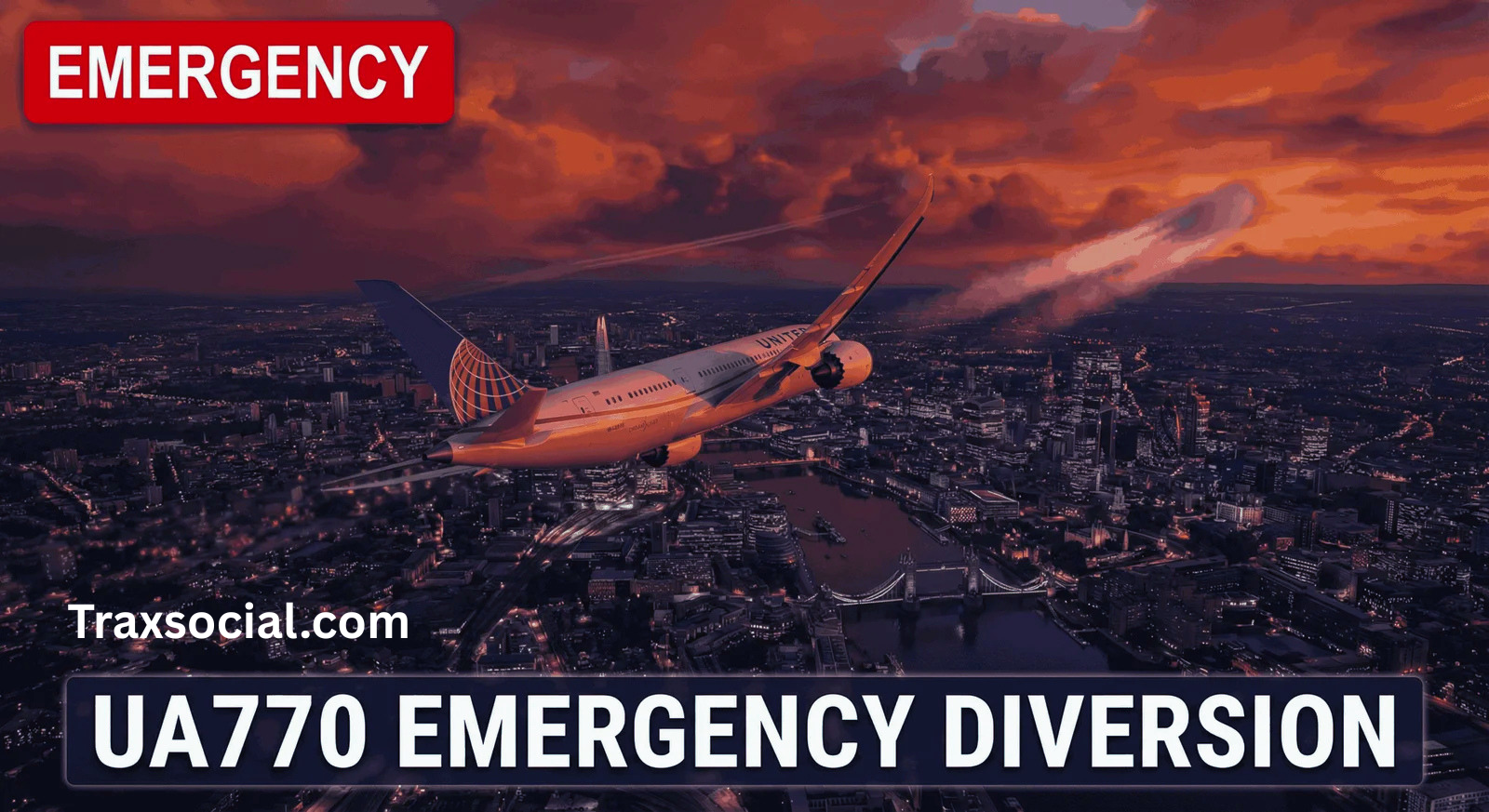
Emergency diversions are a rare but memorable aspect of air travel that can turn an ordinary flight into a gripping tale. United Airlines Flight UA770 recently found itself at the heart of such an incident, captivating passengers and aviation enthusiasts alike. As speculation swirled and tensions ran high, those onboard experienced firsthand the adrenaline rush of uncertainty mixed with moments of relief. What led to this unexpected detour? And how did everyone involved handle the situation? Join us as we unpack the story behind United Airlines Flight UA770’s emergency diversion and explore what it meant for everyone on board.
Flight UA770: What Passengers Experienced During the Emergency Diversion
As United Airlines Flight UA770 soared through the skies, passengers settled in for what they anticipated would be a routine journey. Suddenly, an announcement disrupted that calm: an emergency diversion was necessary. Confusion and anxiety rippled through the cabin, as everyone processed the gravity of the situation.
Nervous glances were exchanged, and whispers filled the air about what could possibly go wrong. Some passengers clutched their armrests tightly while others tried to distract themselves with conversations or music.
Then came a moment of relief; flight attendants remained composed and reassured those onboard that safety was their top priority. The certainty brought comfort amid uncertainty during this unexpected turn of events.
Overview of United Airlines Flight UA770
United Airlines Flight UA770 was a scheduled route from Los Angeles to New York City. This flight, like many others, aimed to connect travelers across the country efficiently. With a full passenger load and a crew prepared for a smooth journey, everything appeared normal at takeoff.
However, things took an unexpected turn mid-flight. Passengers were startled by unusual sounds and slight turbulence that hinted at potential trouble ahead. The crew quickly reassured everyone while assessing the situation.
As concerns grew among passengers, they braced themselves for what lay ahead. It became clear that this would not be an ordinary flight experience as the plane faced a significant challenge in the skies.
Timeline of Events Leading to Emergency Diversion
On a routine flight from Newark to Los Angeles, passengers settled in for their journey. The atmosphere was calm as the plane soared into the sky. However, that serenity would soon be disrupted.
Shortly after takeoff, pilots received indications of an unusual technical issue. They began monitoring systems closely while ensuring passenger safety remained a priority. Tensions began to rise as uncertainty filled the cabin.
As minutes passed, crew members informed travelers about potential complications ahead. Passengers braced themselves for what was next and listened intently to updates from the cockpit. With every minute ticking away, it became clear: an emergency diversion was imminent.
Unveiling the Technical Glitch Behind the Diversion
Flight UA770’s emergency diversion came as a shock, but the root cause was quickly identified. A technical glitch in the aircraft’s navigation system triggered alarms that prompted immediate precautionary measures.
Pilots are trained for such scenarios and acted swiftly to ensure passenger safety. The malfunction highlighted vulnerabilities within modern aviation technology, raising questions about redundancy systems in place.
United Airlines worked closely with engineers to diagnose the issue post-incident. They aimed to prevent future occurrences while ensuring that all safety protocols were reinforced. These glitches serve as stark reminders of how crucial maintenance and monitoring are for air travel reliability.
Passengers’ Experience: From Anxiety to Relief
As Flight UA770 began its emergency diversion, passengers were gripped by anxiety. The sudden announcement caught many off-guard. Faces turned pale, and whispered questions filled the cabin.
Throughout the flight, tension was palpable. Some passengers clutched their armrests while others exchanged worried glances. The fear of uncertainty loomed large, creating an atmosphere heavy with apprehension.
However, as the plane landed safely at a nearby airport, relief washed over everyone. Applause erupted in the cabin when they felt solid ground beneath them again. From terror to tranquility in mere moments—an emotional rollercoaster that none on board would forget anytime soon.
Handling of the Situation by United Airlines
United Airlines acted swiftly during the emergency diversion of Flight UA770. Crew members communicated transparently with passengers, providing timely updates about the situation. This level of communication helped ease tensions onboard.
The airline’s ground team was also quick to respond, coordinating logistics for a safe landing and ensuring that emergency services were on standby upon arrival. Passengers felt reassured knowing assistance awaited them as they touched down.
After landing, United Airlines staff facilitated a smooth transition for everyone involved. They offered support and resources to accommodate travelers who needed alternative arrangements. The proactive approach demonstrated their commitment to passenger safety and care during unexpected situations.
Lessons Learned for Airlines
Airlines must prioritize transparency in crises. Passengers want clear and immediate updates during emergencies like the UA770 incident. Keeping everyone informed can help alleviate anxiety.
Investing in technology is crucial as well. The technical glitch that caused the emergency diversion highlights the need for robust systems and regular maintenance checks. Airlines should learn to adapt quickly when faced with unexpected challenges.
Training crews extensively on emergency protocols is vital too. Well-prepared staff can manage difficult situations more effectively, ensuring passenger safety and comfort. Continuous learning from incidents will lead to improved airline procedures overall, creating a safer travel experience for all involved.
Conclusion
The incident involving United Airlines Flight UA770 serves as a reminder of the complexities and challenges within air travel. Passengers experienced a rollercoaster of emotions, from fear to relief, highlighting the human side of flying. The swift action taken by United Airlines ensured that safety remained a top priority.
This emergency diversion also sheds light on essential areas for improvement in airline operations and communication strategies. As airlines continue to navigate technological advancements, lessons learned from incidents like this will be invaluable for enhancing passenger experiences in future flights.
Understanding these events can help build trust between passengers and airlines, fostering safer journeys ahead. Each flight holds its own story; sometimes unexpected twists are part of the ride.