

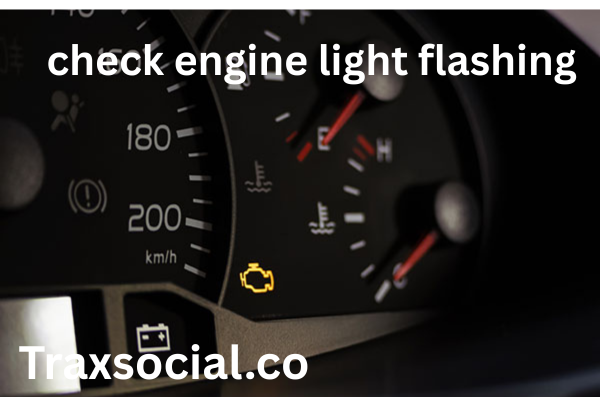
Picture this: you’re cruising down the road, music playing, when suddenly that dreaded check engine light starts flashing. Panic sets in as you wonder what could be wrong with your beloved car. Is it a minor issue or something serious? The flashing check engine light is often an early warning signal that shouldn’t be ignored. Understanding its meaning can save you from costly repairs and ensure your vehicle runs smoothly for years to come. Let’s dive into what a blinking check engine light really means and how to address it effectively!
Understanding the Check Engine Light: Why Is It Flashing?
The check engine light is a vital part of your vehicle’s diagnostic system. When it flashes, it indicates an urgent issue that requires immediate attention. Ignoring this warning could lead to further damage and costly repairs. Understanding its signals can help keep your car healthy and running efficiently.
What a Flashing Check Engine Light Actually Means
A flashing check engine light is a serious warning sign. It indicates that your vehicle’s engine is experiencing a critical issue, often related to misfires or severe emissions problems. Ignoring it could lead to extensive damage and costly repairs. Address the problem immediately for your safety and your car’s health.
Misfiring Engine: The Most Common Culprit
A misfiring engine is often the main reason behind a flashing check engine light. It occurs when one or more cylinders fail to ignite properly. This can lead to reduced power, poor fuel efficiency, and increased emissions—making it essential to address the issue promptly before further damage occurs.
Issues With the Ignition System
Problems with the ignition system can trigger a flashing check engine light. Faulty spark plugs, damaged wires, or a malfunctioning ignition coil may disrupt the combustion process. This can lead to misfires and poor engine performance, signaling that immediate attention is needed to avoid further damage.
Fuel System Problems
Fuel system problems can also trigger a flashing check engine light. Issues like clogged fuel injectors or a failing fuel pump disrupt the flow of gasoline to the engine. This can lead to performance issues and increased emissions, making it essential to address these concerns promptly for optimal vehicle health.
Failing Sensors or Emissions Components
When sensors or emissions components fail, they can trigger a check engine light flashing. These devices monitor crucial systems like fuel efficiency and exhaust output. A malfunction could mean your vehicle is not operating within environmental standards, leading to potential performance issues and increased emissions that require urgent attention.
When to Stop Driving and Call a Pro
If your check engine light is flashing, it’s time to stop driving. Ignoring it can lead to severe damage. Pull over safely and assess the situation. If you notice strange noises or reduced power, call a professional immediately for help. Your vehicle’s health depends on prompt action.
Let GreatWater 360 Auto Care Check It Out
When your check engine light is flashing, don’t ignore it. GreatWater 360 Auto Care offers expert diagnostics to pinpoint the issue. Their skilled technicians use advanced tools to ensure your vehicle runs smoothly and safely. Trust them for reliable service that gets you back on the road with confidence.
Brighton
Brighton is a vibrant town known for its stunning waterfront and lively atmosphere. Visitors can enjoy beautiful beaches, eclectic shops, and diverse dining options. The community hosts various events throughout the year, making it a great destination for both relaxation and entertainment. Exploring Brighton offers something for everyone.
Boulevard
Boulevard is not just a road; it’s an experience. Lined with shops, eateries, and vibrant nightlife, it invites exploration. Whether you’re strolling or driving, the energy is palpable. Each corner reveals something new, making every visit unique and memorable for both locals and visitors alike.
What a Blinking Check Engine Light Is Trying to Tell You
A blinking check engine light signals an urgent issue, often linked to serious engine misfires. This condition can lead to significant damage if ignored. It’s a warning that demands immediate attention, as continuing to drive may worsen the problem and increase repair costs down the line.
Common Problems Behind a Flashing Check Engine Light
A flashing check engine light often signals serious issues. Common problems include engine misfires, faulty ignition components, and fuel system malfunctions. Additionally, failing sensors or emissions parts can trigger this warning. Ignoring it could lead to costly repairs or further damage to your vehicle’s performance and safety.
Why Misfires and Catalytic Converters Are Linked
Misfires occur when the engine fails to ignite fuel properly, leading to unburned fuel entering the exhaust system. This can damage the catalytic converter, which relies on proper combustion to function effectively. When misfires persist, they can severely impact the converter’s efficiency and lifespan.
Symptoms You May Feel When the Light Starts Flashing
When your check engine light starts flashing, you might experience rough idling or a sudden loss of power. Your car could hesitate during acceleration, and unusual noises may emerge from the engine. Pay attention to any strange smells too; they can indicate serious issues that need immediate attention.
What You Should Do Right Away When It Starts Blinking
When the check engine light starts blinking, pull over safely and turn off your engine. This prevents potential damage. Check for unusual sounds or smells. If you notice any issues, call a professional immediately instead of continuing to drive. Quick action can save you from costly repairs later on.
Driver Habits That Can Trigger a Blinking Check Engine Light
Certain driving behaviors can provoke a blinking check engine light. Aggressive acceleration, abrupt braking, and frequent short trips can strain your vehicle. Neglecting regular maintenance also contributes to issues that trigger this alert. Being mindful of your driving habits can help prevent the light from flashing unexpectedly.
Get Check Engine Light Diagnostic in Tonawanda, NY with WNY One Stop Automotive
If your check engine light is flashing, don’t wait. Head to WNY One Stop Automotive in Tonawanda for a thorough diagnostic. Their experienced technicians will pinpoint the issue quickly and efficiently, ensuring your vehicle gets back on the road safely. Trust them with all your automotive needs.
Possible Causes & Fixes for a Flashing Check Engine Light
A flashing check engine light often signals serious issues. Common causes include misfiring engines, faulty ignition systems, or fuel delivery problems. Address these immediately to prevent further damage. Quick fixes might involve spark plug replacement or checking for clogs in the fuel system. Always consult a professional for accurate diagnostics.
Reasons for a Flashing Check Engine Light:
A flashing check engine light signals a serious issue needing immediate attention. Common reasons include engine misfires, ignition system failures, or problems with the fuel system. Faulty sensors or emissions components can also contribute to this alarming warning. Address these issues promptly to avoid further damage.
The Importance of Addressing the Flashing Check Engine Light:
Ignoring a flashing check engine light can lead to severe engine damage and costly repairs. It signals immediate problems, often related to misfires or emissions issues. Addressing it promptly ensures your vehicle runs smoothly and maintains safety on the road while preventing further complications down the line.
Basics of Resetting a Flashing Check Engine Light:
Resetting a flashing check engine light typically involves disconnecting the battery for a few minutes. This can clear temporary codes. Alternatively, using an OBD-II scanner allows you to reset the light more precisely. However, ensure underlying issues are resolved first; otherwise, the light will return soon after.
What To Do When the Light Comes On & Flashes
When your check engine light starts flashing, pull over safely. Turn off the engine and wait a moment before restarting. If the light continues to flash, avoid driving further. It’s crucial to get professional help immediately to prevent potential damage to your vehicle’s engine or emissions system.
Flashing Check Engine Light: Stop Driving & Fix It Now (2026 Guide)
If your check engine light is flashing, it’s a serious warning. Continuing to drive can lead to severe damage. Pull over safely and assess the situation immediately. Ignoring this signal may result in costly repairs or unsafe driving conditions that could endanger you and others on the road.
1. Flashing vs. Solid: What’s the Difference?
A flashing check engine light signals an urgent issue, often linked to severe engine misfires. In contrast, a solid light typically indicates a less critical problem that still requires attention. Understanding this difference can help you determine how quickly you need to seek professional assistance for your vehicle.
2. Why Is It Flashing? Top 3 Emergency Causes
A flashing check engine light indicates serious issues. The top three emergency causes include engine misfires, which can damage your catalytic converter, ignition system failures that disrupt the spark needed for combustion, and fuel system problems affecting proper air-fuel mixture. Address these immediately to avoid costly repairs.
3. Immediate Steps: What to Do on the Side of the Road
If your check engine light is flashing, pull over safely. Turn off the engine and wait a moment before restarting it. Check for any unusual sounds or smells. If the light persists, avoid driving further and call for roadside assistance to prevent potential damage.
4. Professional Recovery in Beachwood, OH
If your check engine light is flashing while driving in Beachwood, OH, seek professional help immediately. Local automotive experts have the tools and knowledge to diagnose and fix issues swiftly. They ensure your vehicle runs safely and efficiently, preventing further damage or costly repairs down the road.
Reasons Your Kia Engine Light Is Flashing
A flashing engine light in your Kia can signal serious issues. Common reasons include misfires, fuel system problems, or ignition failures. Ignoring it may lead to further damage. Always address this warning promptly to ensure the health of your vehicle and avoid costly repairs down the road.
Kia Check Engine Light Reset
Resetting the Kia check engine light can often be done using an OBD-II scanner. Simply connect the device, read the codes, and clear them. Alternatively, disconnecting the battery for a few minutes can also reset it. Always address underlying issues before resetting to avoid future problems.
Schedule Your Kia Check Engine Light Reset at Cornerstone Kia!
If you find yourself facing a check engine light flashing in your Kia, don’t hesitate to seek professional help. At Cornerstone Kia, our experts are ready to assist with diagnostics and resets. Keeping your vehicle running smoothly is essential for safety and performance. Schedule your appointment today and ensure that your car remains in top condition!