

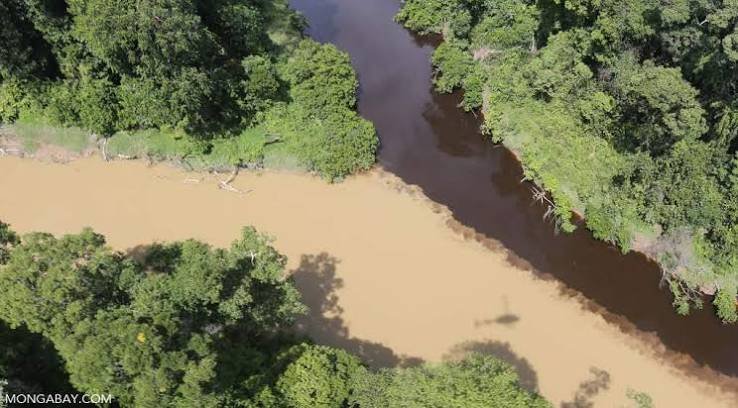
Ever stood at the edge of a river and watched the water roll by, thick and brown, like liquid chocolate milk? That’s a muddy river for you. Not glamorous. Not Instagram-blue. But honestly? There’s something weirdly hypnotic about it.
I grew up near one. Can’t remember its official name — locals just called it “the brown river,” which, fair enough. We used to toss sticks in and race them downstream. Never saw the bottom once. Not once.
So What Actually Makes a River Muddy?
It comes down to sediment. Tiny particles of soil, clay, and silt get swept into the water from the surrounding land. Rain does most of the heavy lifting here. When storms hit, water rushes over fields, construction sites, and riverbanks, dragging loose dirt with it.
Erosion plays a huge role too. Riverbanks crumble slowly over years. Sometimes fast, during floods. The dirt that breaks off doesn’t just disappear — it joins the current.
Then there’s human activity. Farming, logging, and building near rivers all loosen soil that eventually washes downstream. I think we underestimate how much construction near water changes a river’s whole personality.
Is Muddy Water Actually Bad?
Here’s the thing — not necessarily. A lot of people assume muddy equals polluted or unhealthy. That’s not always true.
Muddy rivers can be packed with nutrients. Sediment often carries organic material, which feeds plants and tiny organisms at the base of the food chain. Catfish, for example, practically thrive in murky water. They don’t rely on sight much anyway; they use smell and touch.
That said, too much sediment can choke a river. It can smother fish eggs, block sunlight from reaching underwater plants, and clog the gills of smaller fish. So there’s a balance. A naturally muddy river from seasonal rain is different from a river drowning in runoff because someone bulldozed a hillside upstream.
Famous Muddy Rivers Around the World
The Mississippi River is maybe the most famous muddy river in the US. Mark Twain wrote about its unpredictable, silt-heavy waters more than a century ago, and honestly, not much has changed. The Yellow River in China gets its name — and its color — from the massive amount of loess soil it carries. Loess is this fine, powdery sediment, and the river picks up tons of it every year.
Then there’s the Amazon. Parts of it run muddy brown, especially where it merges with clearer tributaries like the Rio Negro. You can literally see the two colors meeting — brown and black, side by side, refusing to blend for miles. I saw a photo of that once and just sat there staring at it for way longer than I should admit.
Why Students Study Muddy Rivers
Geography and environmental science classes love this topic, and for good reason. Muddy rivers teach us about:
- Erosion and sediment transport
- Watershed health
- How land use affects water quality
- The relationship between weather patterns and river behavior
It’s a simple, visible way to understand bigger environmental systems. You don’t need a lab. Just look at the water.
Life in a Muddy River
Fish like carp, catfish, and certain species of bass are built for low-visibility water. Their bodies and senses adapted over generations. Turtles bury themselves in muddy riverbeds too, using the sediment as camouflage and insulation.
Birds benefit as well. Herons and egrets wade through shallow muddy edges hunting for fish and insects stirred up by the current. In my experience, dawn is the best time to watch this — the water’s calm, the light’s soft, and the birds are already working.
Can Muddy Rivers Clear Up?
Sometimes, yes. If erosion slows — say, through better farming practices or riverbank restoration — sediment levels drop and the water can clear noticeably over years. Dams also trap sediment upstream, which clears water downstream but creates its own problems (sediment buildup behind the dam, changes to the ecosystem).
It’s rarely a quick fix. Rivers are slow-moving systems in every sense, not just literally.
A Few Practical Takeaways
If you’re studying rivers, or just curious, keep this in mind:
- Mud doesn’t always mean pollution.
- Sediment is both a nutrient source and a potential hazard.
- Human land use dramatically shapes a river’s clarity.
- Different ecosystems adapt uniquely to murky conditions.
Final Thoughts
Muddy rivers get a bad rap, I think, mostly because they’re not pretty in the conventional sense. But there’s a whole world moving beneath that brown surface — fish, sediment, history, even stubborn kids racing sticks downstream. Next time you pass one, don’t just dismiss it. Slow down. Look closer. There’s more going on than meets the eye.
Sources:





Leave a Reply