

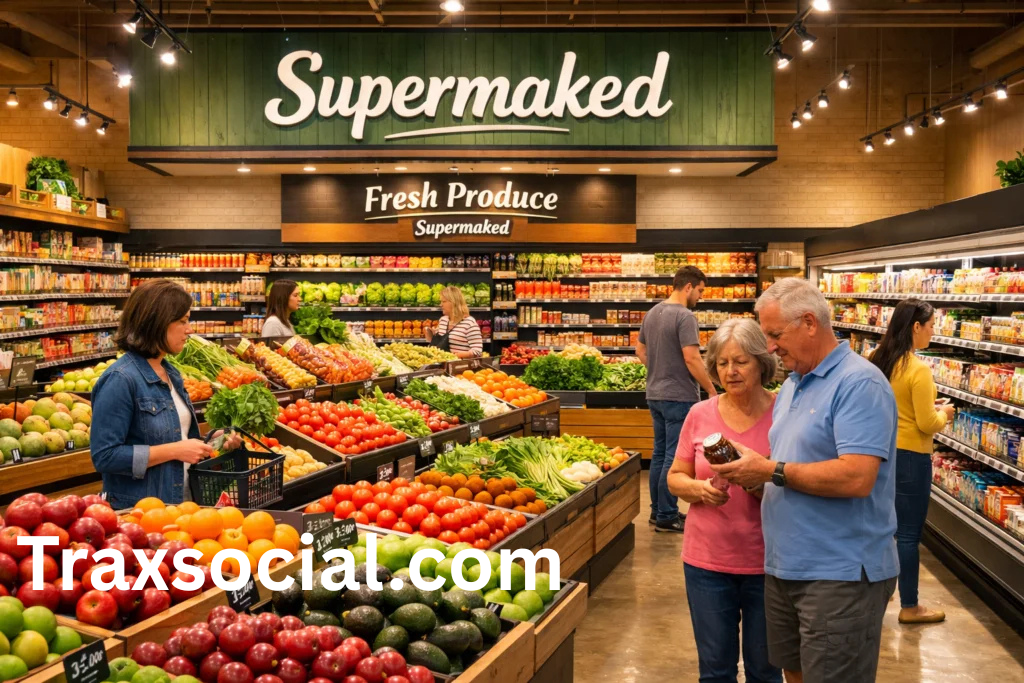
In a world where the environmental impact of our choices is more significant than ever, supermarkets are stepping into the spotlight. Gone are the days when grocery shopping was just about picking up essentials. Today’s consumers demand more—sustainable practices, eco-friendly products, and transparency in sourcing.
As awareness grows surrounding climate change and sustainability, grocers across the globe are embracing greener initiatives. From reducing plastic waste to offering locally sourced organic produce, these supermarkets are redefining what it means to shop responsibly. Join us as we explore how these retail giants are not only meeting consumer demands but also paving the way for a healthier planet through innovative green strategies. The future of food shopping is here; let’s dig in!
Sustainable Supermarkets: How Grocers Are Going Green
Sustainable supermarkets are popping up everywhere, transforming the way we shop for groceries. These stores are committed to reducing their carbon footprints while meeting consumer needs. They prioritize sourcing local products and minimizing food miles, which benefits both the environment and local economies.
Many grocers now feature bulk bins to reduce packaging waste. Shoppers can bring their own containers or use compostable bags available in-store. This initiative not only cuts down on plastic but also encourages mindful purchasing habits among consumers.
Energy-efficient lighting, solar panels, and eco-friendly refrigeration systems have become staples in many supermarket designs too. By implementing these technologies, grocery chains significantly lower energy consumption while promoting a greener shopping experience for all. The shift toward sustainability is no longer just a trend; it’s an essential part of modern retail.
Early history of retail food sales
The early history of retail food sales can be traced back to ancient civilizations. Markets flourished in places like Mesopotamia and Egypt, where vendors sold fresh produce, grains, and meats. These open-air marketplaces were vibrant hubs for communities, bustling with trade and social interaction.
As time progressed, the concept of retail evolved. In medieval Europe, markets became more structured with designated days for trading goods. Local farmers would gather to sell their harvests while artisans showcased handmade products. This system laid the groundwork for more permanent structures dedicated solely to selling food.
By the 19th century, advancements in transportation enabled larger-scale distribution of goods. Railroads connected rural farms with urban centers. As cities grew rapidly due to industrialization, so did the demand for accessible food sources—a precursor to what we recognize today as supermarkets.
Birth of the supermarket
The supermarket as we know it began to take shape in the early 20th century. In 1916, a grocery store called King Kullen opened its doors in New York. It introduced self-service shopping, allowing customers to browse and select their items without needing assistance from clerks. This revolutionary concept changed the way people shopped for food.
As World War II approached, supermarkets gained popularity due to increased urbanization and changing consumer habits. With families seeking convenience, these stores expanded beyond just groceries. They offered a wide range of products under one roof—from household essentials to personal care items—making them a one-stop destination.
In the post-war boom of the late 1940s and 1950s, supermarkets flourished across America. The introduction of larger formats allowed for even more variety and better prices through bulk buying power. This marked the beginning of an era where efficient retailing transformed how communities accessed their food supply.
International expansion
As supermarkets grew in popularity, their reach expanded beyond borders. Major chains began setting up shop in different countries, adapting to local tastes while maintaining their core offerings. This international expansion transformed the grocery landscape globally.
With this globalization came new challenges and opportunities for sustainability. Supermarkets had to address varying environmental regulations and consumer expectations across regions. Some embraced eco-friendly practices faster than others, creating a competitive advantage.
In many cases, these international giants introduced innovative solutions that catered to both profits and planet health. They adopted sustainable sourcing methods, minimized food waste through efficient supply chains, and invested in renewable energy sources at stores worldwide. The push towards greener operations became not just a trend but an essential part of their global strategy.
In the 21st century
The 21st century has brought a significant shift in consumer awareness regarding sustainability. Shoppers are more informed than ever about the impact of their choices on the environment. This shift has prompted supermarkets to rethink their strategies and adopt greener practices.
Many grocers now prioritize local sourcing, reducing transportation emissions while supporting nearby farmers. This not only enhances freshness but also builds relationships within communities. Customers appreciate knowing where their food comes from, fostering a sense of connection.
Additionally, technology plays a crucial role in this transformation. Supermarkets harness data to optimize inventory and minimize waste. Innovative solutions like smart packaging and energy-efficient refrigeration systems are becoming standard practice, allowing these retailers to operate more sustainably while appealing to eco-conscious consumers.
Organic and environmentally-friendly supermarkets
As consumers become more aware of the environmental impact of their shopping habits, supermarkets are responding with organic and eco-friendly options. Many grocers now offer a wide range of organic products, from fresh produce to packaged goods. These items are grown without synthetic fertilizers or pesticides, promoting healthier ecosystems.
Additionally, environmentally-friendly supermarkets focus on reducing waste. They implement recycling programs and encourage customers to bring reusable bags. Some even go as far as offering bulk bins for grains and nuts, minimizing packaging waste.
These initiatives reflect a shift in consumer preferences toward sustainability. Shoppers increasingly seek out stores that align with their values regarding health and environmental stewardship. This trend has led grocers to adopt practices such as sourcing locally when possible, further lowering their carbon footprint.
The rise of sustainable supermarkets signifies an important movement within the retail food industry. As these businesses continue to adapt to changing consumer demands, they pave the way for a greener future while providing shoppers with responsible choices.