

Mansutfer: What It Means and How to Apply It in Daily Life
If you’ve searched online recently, you may have come across the term “mansutfer” and wondered what it actually means. It’s a fair question — the word is new, its definition is still forming, and different sources describe it in different ways. This article pulls those threads together into one clear explanation, along with practical ways to apply the concept.
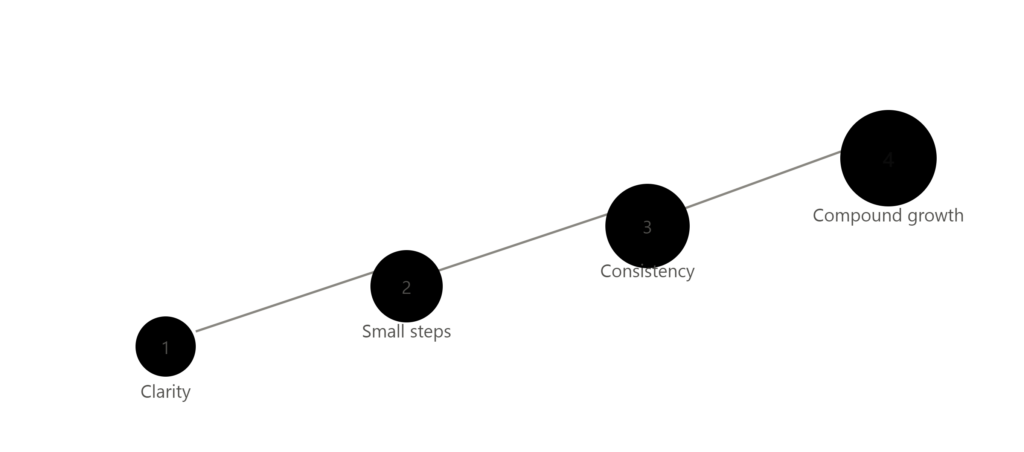
The diagram above captures the core idea: rather than chasing big wins all at once, mansutfer favors small, deliberate steps that build on each other over time.
What Is Mansutfer?
At its core, mansutfer describes a mindset and approach centered on steady, intentional progress. Instead of pursuing dramatic results through short bursts of effort, it emphasizes small, manageable actions taken consistently over time. Think of it as the difference between sprinting toward a goal and exhausting yourself, versus walking toward it at a sustainable pace you can maintain indefinitely.
Why the Term Is Still Evolving
Because mansutfer hasn’t yet settled into a single, widely accepted definition, you’ll find it described differently depending on where you look. Some sources frame it around personal growth and daily habits. Others apply it to team collaboration and workplace productivity. A few even use it in more technical or business contexts, describing it as a framework for balancing efficiency with adaptability.
This variation isn’t necessarily a weakness — it reflects how new ideas often take shape. As more people engage with a concept, its practical applications tend to multiply before converging on a common understanding.
The Core Principles Behind Mansutfer
Regardless of which context you encounter it in, a few consistent themes appear across most descriptions of mansutfer.
1. Incremental Progress Over Sudden Change
Rather than overhauling a habit, project, or system all at once, mansutfer encourages breaking the process into smaller, achievable pieces. This reduces the risk of burnout and makes it easier to sustain momentum.
2. Balance Between Structure and Flexibility
Mansutfer isn’t about rigid rule-following. It’s about having enough structure to stay organized, while remaining adaptable enough to adjust when circumstances change. This balance is especially relevant in fast-moving environments like remote work or evolving projects.
3. Reflection and Adjustment
A recurring idea is that growth under this approach isn’t linear or automatic — it involves regularly checking in, learning from what’s working (or not), and adjusting course accordingly.
How to Apply Mansutfer in Everyday Life
Understanding the concept is one thing; putting it into practice is another. Here’s how you can apply a mansutfer-style approach to different areas of your life.
In Personal Habits
Instead of setting an ambitious goal like “exercise five days a week starting tomorrow,” start with one small, sustainable change — such as a 10-minute walk each day. Once that becomes consistent, gradually build on it.
In Work and Productivity
Rather than trying to overhaul your entire workflow at once, identify one bottleneck or inefficiency and address it first. Small, targeted improvements tend to stick better than sweeping changes made under pressure.
In Team Collaboration
For teams navigating shifting priorities, applying mansutfer principles might mean setting clear short-term goals, checking progress regularly, and adjusting plans based on what’s actually working — rather than committing rigidly to a long-term plan that may not hold up.
Common Misunderstandings About Mansutfer
Because the term is still new, a few misconceptions tend to come up.
It’s Not About Being Slow for Its Own Sake
Mansutfer isn’t an excuse for procrastination or a lack of urgency. The emphasis is on sustainable pacing, not on moving as slowly as possible.
It’s Not a Specific App or Product
Despite some sources suggesting otherwise, mansutfer doesn’t appear to be tied to any single company, tool, or platform. It functions more as a philosophy or approach that can be applied across different tools and contexts, rather than a proprietary system.
It’s Not One-Size-Fits-All
How mansutfer looks in practice will vary depending on the person, team, or situation. There’s no fixed checklist — it’s a flexible framework, not a rigid formula.
Getting Started With a Mansutfer Approach
If you want to apply this mindset starting today, here’s a simple way to begin:
- Pick one area of your life or work where you feel overwhelmed or stuck.
- Identify the smallest possible next step — something you could realistically do today.
- Commit to consistency, not intensity. Doing something small every day beats doing something large once.
- Reflect weekly. Ask what’s working, what isn’t, and adjust accordingly.
- Resist the urge to scale too fast. Let progress compound naturally before adding complexity.
Final Thoughts
Mansutfer represents an emerging way of thinking about progress — one that favors steady, deliberate steps over dramatic, unsustainable pushes. Whether you apply it to personal habits, professional projects, or team dynamics, the underlying principle stays the same: consistent, adaptable effort tends to outlast intensity that burns out quickly.
As the term continues to gain traction, its definition may become more standardized. For now, the most useful way to think about mansutfer is as a mindset — one you can start applying today, one small step at a time.