

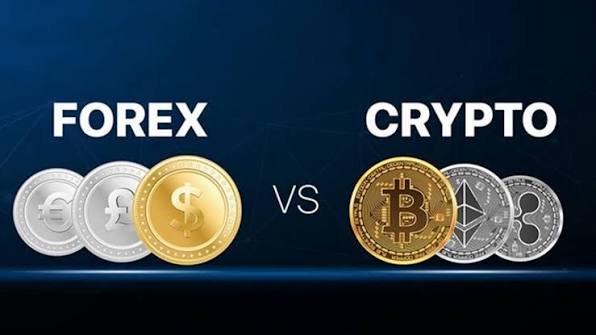
In the fast-paced world of trading, two markets have risen to prominence: crypto and forex. Both offer exciting opportunities for profit but cater to different types of traders. Are you drawn to the innovative allure of cryptocurrencies or do you prefer the stability and structure of foreign exchange? Understanding these markets can make all the difference in your trading journey. Let’s dive into what sets crypto apart from forex and help you find your ideal trading strategy!
Understanding Crypto Trading
Crypto trading involves buying and selling digital currencies like Bitcoin, Ethereum, and others on various exchanges. The market is known for its high volatility, offering traders the potential for significant gains but also substantial risks.
Unlike traditional assets, cryptocurrencies operate 24/7 with no centralized authority. This decentralized nature appeals to many investors seeking autonomy over their trades. With a growing number of altcoins emerging, understanding each currency’s unique characteristics becomes crucial for success in crypto trading.
Exploring Forex Trading
Forex trading involves the exchange of currencies in a global marketplace. It operates 24 hours a day, five days a week, allowing traders to capitalize on price fluctuations around the clock. With high liquidity and leverage options, forex attracts both beginners and seasoned investors.
The market is driven by various factors such as economic indicators, geopolitical events, and central bank policies. Understanding these elements can enhance trading strategies. Successful forex traders often rely on technical analysis to identify entry and exit points effectively.
Key Differences Between Crypto and Forex Markets
Crypto and forex markets differ significantly in their structure and operation. Cryptocurrencies operate 24/7, offering traders constant access to the market. In contrast, forex trading is limited to specific hours based on global financial centers.
Another key difference lies in volatility. Crypto markets are known for rapid price swings and high risk, while forex typically exhibits more stability due to established regulations and larger liquidity pools. These factors greatly influence trading strategies and investor decisions across both markets.
Factors Influencing Crypto Market Movements
The crypto market is influenced by various factors, including regulatory news and technological advancements. Changes in laws or government policies can create significant price fluctuations, catching traders off guard.
Market sentiment also plays a crucial role. Social media trends and influencer opinions can lead to rapid buying or selling. Additionally, major events like hacks or partnerships can significantly impact prices, making it essential for traders to stay informed about the latest developments in the crypto space.
Factors Influencing Forex Market Movements
Several factors impact Forex market movements, with economic indicators leading the way. Key metrics like GDP growth, employment rates, and inflation provide insights into a country’s financial health. Traders closely monitor these reports to anticipate currency fluctuations.
Political stability also plays a significant role. Elections, government policies, and geopolitical tensions can create uncertainty that affects exchange rates. Market sentiment often shifts in response to news events or announcements, reflecting how traders perceive risk and opportunity within the global economy.
Choosing the Right Market for Your Trading Style
Choosing the right market depends largely on your trading style and goals. If you prefer quick trades and high volatility, crypto might suit you well. Its rapid price movements can lead to significant returns in a short time.
On the other hand, if you’re inclined towards stability and longer-term strategies, forex could be a better fit. The forex market offers consistent liquidity and is less prone to drastic swings compared to cryptocurrencies. Assessing your risk tolerance is key in making this decision.
Risk Management in Crypto and Forex Trading
Risk management is crucial in both crypto and forex trading. The volatility of cryptocurrencies can lead to significant gains, but also steep losses. Traders must set strict stop-loss orders and diversify their portfolios to mitigate risk.
In forex, market fluctuations are often influenced by economic indicators and geopolitical events. Understanding these factors helps traders implement effective strategies. Utilizing tools like position sizing and risk-to-reward ratios can protect investments while maximizing potential returns in both markets.
Trading Tools and Platforms Comparison
When diving into crypto and forex trading, selecting the right tools is essential. Both markets offer a variety of platforms with unique features catering to different trader needs.
For instance, crypto platforms often provide advanced charting capabilities and real-time data feeds specific to digital assets. In contrast, forex trading platforms typically focus on currency pairs with robust analytical tools and automated trading options, making it easier for traders to act quickly in fast-moving markets.
Developing a Profitable Trading Strategy
Developing a profitable trading strategy requires careful planning and analysis. Start by defining your goals, risk tolerance, and time commitment. This clarity will guide your decision-making process.
Next, conduct thorough market research to identify patterns and trends in both crypto and forex trading. Leverage technical indicators alongside fundamental analysis to refine your approach. Backtest your strategies using historical data to assess their viability before applying them in live markets. Adaptability is key; continually evaluate performance for ongoing improvement.
Seeking Professional Guidance
Navigating the complexities of crypto and forex trading can be daunting. Seeking professional guidance from experienced traders or financial advisors can provide valuable insights that enhance your decision-making process.
These experts often offer tailored strategies and real-time market analysis, helping you understand the nuances of both markets. Their mentorship may also aid in developing risk management techniques to safeguard your investments while maximizing potential returns. Engaging with professionals could significantly improve your trading journey.
Conclusion
When deciding between crypto and forex trading, it’s essential to align your choice with your trading style, risk tolerance, and market knowledge. Both markets offer unique opportunities and challenges that can influence your success. Consider the volatility of cryptocurrencies versus the stability of fiat currencies in Forex. Assessing factors such as market movements, available tools, and risk management strategies can guide you towards a path that suits your goals best. Whether you choose crypto or forex trading, continuous learning and adaptation are key to thriving in these dynamic environments.











Leave a Reply