
Hormita: Meaning, Types of Little Ants & How to Get Rid of Them
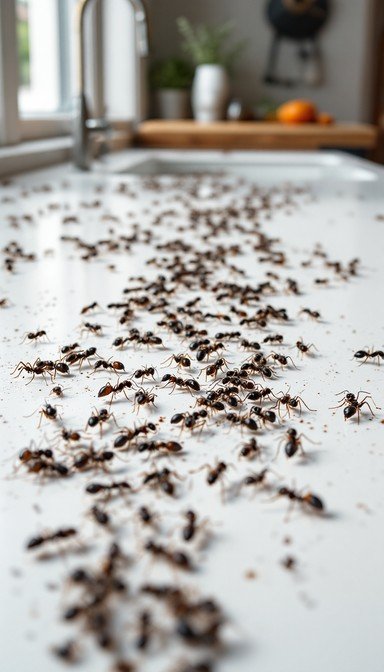
You spot a tiny line of ants marching across the kitchen counter. They are so small you can barely see them, yet within hours there are dozens. In Spanish, people call these little invaders hormitas. If you searched for “hormita,” you probably want to know what the word means, what kind of ant you are dealing with, or how to make them leave.
This guide covers all three. You will learn what hormita means, which tiny ants are most common, why they enter homes, and which methods actually work.
What Does “Hormita” Mean?
“Hormita” is a Spanish word meaning “little ant.” It is the diminutive of hormiga (ant). Spanish speakers add the “-ita” ending to show something is small, or to sound affectionate. You will also hear hormiguita with the same meaning.
Hormita vs. Hormiga
Hormiga is the general word for any ant. Hormita usually points to a very small ant, often the kind found indoors. In everyday speech, people use it for the tiny ants that appear around sugar, fruit, or pet food.
Where the Word Is Used
You will hear “hormita” across Spain, Mexico, Central America, and South America. It also appears in children’s songs, stories, and nicknames. When someone says they have “hormitas en la cocina,” they mean small ants in the kitchen.
Common Types of Hormitas (Little Ants)
Not all tiny ants are the same. Knowing the species helps you choose the right treatment.
Argentine Ants
These light to dark brown ants are about 2–3 mm long. They form huge colonies with many queens, so they are hard to wipe out. They follow clear trails and love sweet food and moisture.
Pharaoh Ants
Pale yellow to reddish and just 2 mm long, pharaoh ants thrive in warm buildings. They can nest inside walls and are known for spreading when colonies are sprayed carelessly, because they split into new nests.
Odorous House Ants
Dark brown or black, these ants give off a rotten-coconut smell when crushed. They are drawn to sugary spills, honeydew, and damp spots.
Ghost Ants
Tiny and pale with a dark head, ghost ants are hard to see against light surfaces. They like sweets and often nest in potted plants or wall voids.
Little Black Ants
Shiny black and about 1.5–2 mm long, they nest in soil, rotting wood, and cracks near foundations. They enter homes in search of food, especially greasy or sweet items.
Why Do Hormitas Invade Your Home?
Little ants are not trying to bother you. They are following a simple formula: food, water, and shelter.
Food Sources
A scout ant finds a crumb, a sticky jar, or an open bag of pet food. She returns to the nest leaving a scent trail, and soon others follow the same path. Sugar, grease, and protein are the biggest draws.
Moisture and Water
Leaky pipes, damp sinks, and wet pet bowls attract ants, especially in dry or hot weather when outdoor water is scarce.
Weather Changes
Heavy rain floods nests and pushes colonies indoors. Hot, dry spells send them looking for water. This is why you often see more hormitas after storms or during summer.
Easy Entry Points
Ants can squeeze through gaps thinner than a coin. Window frames, door thresholds, cracks in walls, and gaps around pipes are common entrances.
Are Hormitas Dangerous?
Most tiny household ants do not bite or sting in any meaningful way. The main problems are contamination and nuisance.
Health and Food Safety
Ants walk through trash, drains, and soil before reaching your food. That can spread bacteria to kitchen surfaces. Throw away any food they have covered.
Property Damage
Unlike carpenter ants, most little ants do not eat wood. However, some, like pharaoh ants, can nest in electrical outlets or wall voids and cause nuisance problems.
How to Get Rid of Hormitas: Step-by-Step
Wiping up the ants you see is not enough. The goal is to remove the trail, the food, and the nest.
Step 1: Clean and Remove the Scent Trail
Wipe surfaces with a mix of equal parts white vinegar and water. This cleans crumbs and breaks the scent trail ants follow. Repeat daily until activity stops.
Step 2: Cut Off Food and Water
- Store sugar, flour, honey, and cereal in airtight containers.
- Wash dishes promptly and empty trash daily.
- Pick up pet food bowls overnight.
- Fix leaking taps and dry the sink at night.
Step 3: Seal Entry Points
Use caulk to close cracks in walls, window frames, and around pipes. Add weather stripping to doors. Fewer entry points means fewer scouts finding your kitchen.
Step 4: Use Ant Baits
Baits are usually the most effective option for tiny ants. Workers carry the slow-acting bait back to the nest and share it, which can eliminate the queen and the colony. Place baits near trails, and be patient. Do not spray repellents near bait, since that scares ants away from it.
Step 5: Try Natural Deterrents
These will not destroy a colony, but they can help block trails:
- Cinnamon or black pepper along entry lines
- Peppermint oil diluted on a cotton ball
- Diatomaceous earth (food grade) in dry cracks and corners
Keep pets and children in mind when using any product.
Step 6: Know When to Call a Professional
If ants keep returning after several weeks, if you suspect a nest inside the walls, or if you are dealing with pharaoh ants, call a licensed pest control service. They can identify the species and treat the colony safely.
How to Prevent Hormitas From Coming Back
Prevention is easier than cleanup.
Keep a Clean Routine
Wipe counters after meals, sweep floors, and take out the trash regularly. Rinse recyclable cans and bottles that held sweet drinks.
Manage the Outdoors
Trim plants and branches touching the house. Move mulch and firewood away from the foundation. Fix drainage so water does not pool near walls.
Do Regular Checks
Inspect windowsills, under sinks, and behind appliances every few weeks. Catching a few scouts early is far easier than fighting a full infestation.
Fun Facts About Hormitas
Ants are impressive for their size. Some can lift many times their own body weight, and colonies communicate with chemical signals. Ants have lived on Earth for over 100 million years and exist on nearly every continent. Even the smallest hormita is part of a highly organized society.
Frequently Asked Questions
What does hormita mean in English?
It means “little ant” or “tiny ant.”
Why do I see tiny ants in my kitchen?
They are most likely following a scent trail to food or water. Crumbs, sticky spills, and damp areas are the usual causes.
What is the fastest way to get rid of hormitas?
Clean the trail with vinegar, remove food sources, and place ant bait near their path. Bait is slower than spraying, but it kills the colony rather than just the visible ants.
Do tiny ants bite?
Most do not bite humans in a noticeable way. They are mainly a nuisance and a food hygiene concern.
Conclusion
A hormita may be small, but a colony can quickly turn into a big household problem. Remember the basics: “hormita” means little ant, most are drawn by food, water, and shelter, and the best results come from combining cleaning, sealing, and baiting. Start by wiping the trail and storing your food properly today. If the problem continues, a pest professional can handle it quickly and safely.