

Twitter (Now X) Explained: What It Is, How It Works, and Why It Still Matters
Few websites have changed how the world talks the way Twitter did. One day, people were mostly sharing photos of lunch. The next, a short message from a stranger was breaking news before the TV channels caught up.
That’s the strange magic of it.
If you’re a student, a beginner, or just someone who never “got” the platform, this guide is for you. We’ll keep it simple.
What Is Twitter?
Twitter is a social media platform where people share short posts. Those posts were originally called “tweets.” You can write text, add photos, upload videos, or share links.
The idea was tiny and clever: say something in very few words. Early on, a tweet could only be 140 characters. That’s shorter than this paragraph’s first sentence plus a bit more. In 2017, the limit doubled to 280.
Short posts force you to get to the point. I think that’s the whole charm.
A Quick History
Twitter launched in 2006. Co-founder Jack Dorsey sent the first tweet that March, and it was a simple line about setting up his account. Nothing dramatic. Nobody threw a party.
But growth was fast. Journalists, celebrities, politicians, and ordinary people all piled in, because here was a place where a teenager in Lahore could reply directly to a famous author in London. Try doing that with a letter.
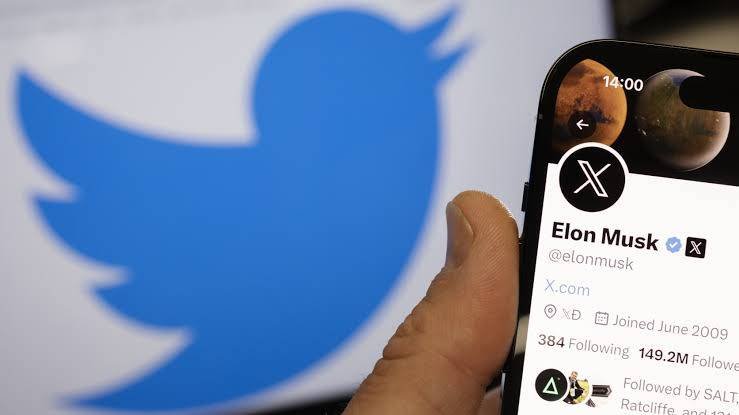
In 2022, businessman Elon Musk bought the company. In July 2023, the name changed to X, and the bird logo was replaced. Plenty of people still say “Twitter” out of habit, and honestly, so do I. Old habits die hard.
How Does It Work?
The basics are easy once you see them.
- Post: Your own message, up to the character limit for your account type.
- Follow: You choose accounts to see in your feed.
- Reply: You answer someone else’s post.
- Repost (formerly retweet): You share another person’s post with your followers.
- Like: A quick way to say “I saw this and enjoyed it.”
- Hashtag (#): A label that groups posts by topic, like #Education or #Cricket.
Hashtags were an idea from a user, not the company. Chris Messina suggested them in 2007, and the platform later embraced them. That’s a nice reminder that regular people shape the internet too.
Why People Love It
Speed. That’s the big one.
When something happens, such as an earthquake, a match, or a government announcement, people post within seconds. You don’t wait for tomorrow’s newspaper. You watch the story unfold, messy and live.
It’s also a great place to find communities. Love astronomy? Coding? Poetry? There’s a corner for you. In my experience, some of the most helpful advice I’ve ever gotten online came from strangers who simply wanted to be kind.
Here are a few more reasons people stick around:
- It’s free to join.
- You can follow experts directly.
- Brands and organizations answer questions quickly.
- It’s perfect for quick learning, since many teachers and researchers share short lessons.
The Downsides (Let’s Be Honest)
It isn’t all sunshine.
Misinformation spreads fast, sometimes faster than the correction. Arguments can turn nasty in about four replies. And the endless scroll? Dangerous. I’ve opened the app “for two minutes” and looked up an hour later wondering where my evening went. Sound familiar?
Mental health matters here. If a feed makes you anxious or angry, it’s okay to mute words, block accounts, or take a break. Nobody gives out medals for suffering through bad timelines.
Also, remember that anyone can type anything. Not every viral post is true. Check before you share.
Twitter for Students
Students can get real value from the platform, if they use it wisely.
You can follow universities, scientists, librarians, and educators. Many professors share reading lists and research updates. Some even answer questions from curious learners, which is kind of incredible when you think about it.
It’s also a good place to build an online presence. Share what you’re learning. Post about a project. Join conversations in your field. Over time, those small posts can turn into connections, and sometimes internships or jobs.
Just keep one rule in mind: don’t post anything you wouldn’t want a future employer to read. The internet has a long memory.
Tips for Using It Well
Here are some simple habits that help:
- Write a clear bio. Say who you are in one or two lines.
- Use a real photo or a clean logo. It builds trust.
- Follow quality accounts. A good feed starts with good choices.
- Use one or two hashtags, not ten. Less is more.
- Be kind in replies. You’d be surprised how far that goes.
- Post consistently. Even a few times a week helps you grow.
- Verify before sharing. Slow down, check the source.
Want to explore the official features? The platform’s own Help Center explains settings, privacy, and safety tools in plain language. And if you’re ready to try it, you can create an account at X.com.
Is Twitter Still Relevant?
Short answer: yes, though it’s different now.
Newer apps have appeared. Some people left. Others arrived. The platform’s rules, features, and culture have shifted a lot since the rebrand, and opinions about those changes are, well, loud. (That’s Twitter for you.)
Still, it remains a place where news breaks, ideas spread, and conversations happen in public. For a deeper look at how it all began, the Twitter page on Wikipedia gives a detailed timeline.
I’d say its biggest strength has never changed: it gives ordinary people a microphone.
Final Thoughts
Twitter, or X if you want to be modern about it, is a tool. Like any tool, it can build or it can damage. It all depends on how you use it.
Use it to learn. Use it to connect. Use it to laugh at a ridiculous meme at 2 a.m. (we’ve all been there). But also step away sometimes, drink some tea, and look at the actual sky.
Start small, stay curious, and be nice. That’s honestly the best advice I have.








Leave a Reply