

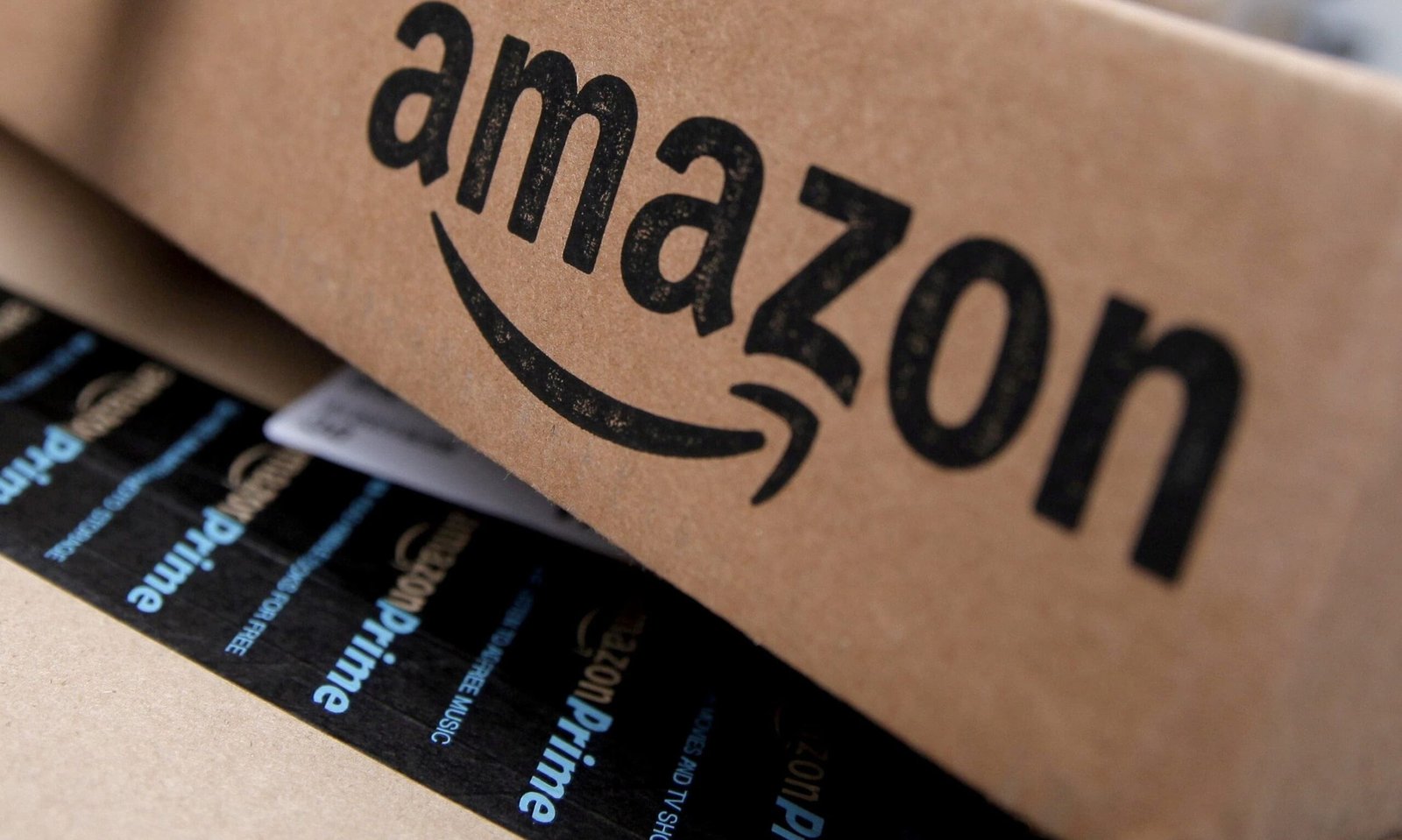
Remember when buying something meant actually going to a store? I still do, barely. These days, most of us just open an app, tap a few buttons, and wait for a box to show up. A lot of that shift — honestly, most of it — comes down to one company: Amazon.
Amazon isn’t just a shopping website anymore. It’s become something bigger, almost like infrastructure for modern life. And if you’re a student trying to understand how it all works, or just someone curious about the company behind those smiling-arrow boxes, this article breaks it down in plain language.
How It All Started
Amazon began in 1994. Jeff Bezos started it out of his garage in Seattle. Just books, at first. That’s it. No fancy gadgets, no streaming shows, no cloud servers — just books, sold online, shipped to your door.
Why books? Because they were easy to catalog and ship cheaply. Smart move, actually. Bezos reportedly chose the name “Amazon” because the Amazon River is the largest river in the world by volume, and he wanted a name that suggested massive scale. In my experience, that kind of ambition either looks ridiculous in hindsight or exactly right. This one turned out right.
By 1997, the company went public. The stock price back then was around $18 a share. People laughed. Nobody laughs now.
From Bookstore to “Everything Store”
Here’s where it gets interesting. Amazon didn’t stay a bookstore for long.
Within a few years, it started selling music, electronics, toys — basically anything you could put in a box. Then came third-party sellers, which let regular businesses (and regular people) list their own products on Amazon’s platform. That single decision multiplied the catalog from thousands of items to literally hundreds of millions.
Think about that for a second. Hundreds of millions.
Today, Amazon sells almost everything imaginable. Groceries. Furniture. Medicine. Car parts. Even entire houses, apparently, through prefab kits. I’m not kidding.
Amazon Prime and the Need for Speed
In 2005, Amazon launched Prime. For a yearly fee, you got free two-day shipping. At the time, that felt like magic.
Now? Two-day shipping feels slow to some people. Same-day delivery exists in many cities. Some orders arrive within hours. We’ve gotten spoiled, and honestly, so has the whole retail industry — everyone else had to speed up just to compete.
Prime isn’t just shipping anymore, either. It includes:
- Streaming video (Prime Video)
- Music streaming
- Photo storage
- Exclusive deals and discounts
It’s less a shipping perk now and more a whole subscription lifestyle. Clever, in a slightly unsettling way.
More Than Just Retail
This is the part a lot of people miss. Amazon’s biggest moneymaker isn’t actually the stuff you buy online.
It’s Amazon Web Services, or AWS. This is a cloud computing service that rents out server space, storage, and computing power to other businesses. Netflix uses it. So does NASA. So do thousands of startups you’ve never heard of.
AWS generates a massive chunk of Amazon’s profit — way out of proportion to how much attention it gets from the average shopper. Most people buying a phone case on Amazon have no idea that the same company is quietly running huge pieces of the internet behind the scenes.
Pretty wild when you think about it.
The Warehouses Behind the Magic
Ever wonder how a package shows up at your door in less than 24 hours? It’s not magic. It’s an enormous network of warehouses — called fulfillment centers — scattered across cities and countries, packed with robots, conveyor belts, and thousands of human workers moving fast.
These fulfillment centers are massive. Some are the size of dozens of football fields. Robots move shelves around; humans pick, pack, and scan items. It’s a strange blend of human effort and machine efficiency, running nonstop.
There’s been real criticism here too — about working conditions, about the pace demanded of warehouse employees. That’s a fair conversation, and it’s one Amazon has faced publicly for years. I think it’s worth mentioning honestly rather than pretending the growth story has no cost attached.
Why Amazon Matters for Students to Understand
If you’re studying business, economics, or even just how technology reshapes daily life, Amazon is basically a case study that writes itself.
It shows how:
- A small idea (selling books online) can scale into something enormous
- Technology and logistics can completely reinvent an entire industry
- One company can touch retail, cloud computing, entertainment, and even grocery stores — all at once
That kind of reach is rare. Few companies manage to be central to so many different parts of life simultaneously.
A Few Honest Thoughts
I’ll be upfront — Amazon isn’t universally loved. Small businesses sometimes struggle to compete with its pricing and reach. Questions about worker treatment come up often. And its sheer size raises real concerns about market power.
But here’s the thing: millions of people still use it daily, myself included, because it’s fast, it’s convenient, and honestly, it just works most of the time. That tension — between convenience and concern — is part of what makes Amazon such an interesting company to study, not despite the criticism, but because of it.
Final Thoughts
Amazon started as a tiny online bookstore run out of a garage. Now it ships packages worldwide, powers massive parts of the internet through AWS, and streams your favorite shows at night.
It’s not a perfect company. No company this big ever really is. But understanding how Amazon grew — and why it keeps growing — tells us a lot about where business, technology, and everyday convenience are headed next.
And honestly? We’re probably not done watching it change.









Leave a Reply