

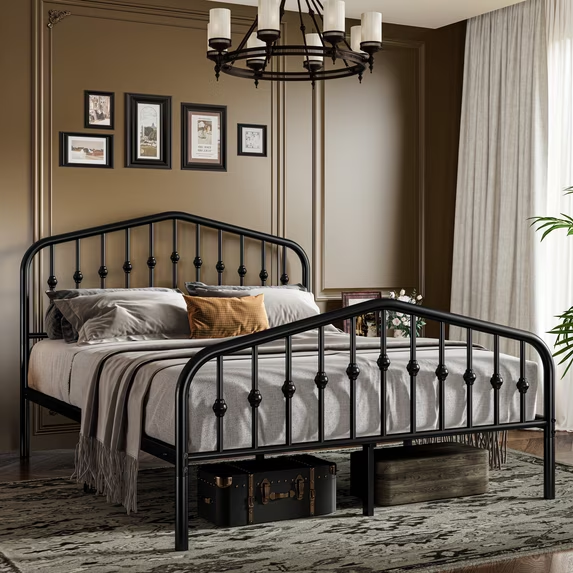
Jernsenger (Iron Beds): Styles, Buying Guide & Care Tips
An iron bed does more than hold a mattress. It gives a bedroom a strong focal point, and it can stay in use for generations. That is why jernsenger, the Scandinavian word for iron beds, are popular with people who want furniture that is sturdy, timeless and easy to live with.
This guide explains what makes iron beds worth buying, which styles exist, how to choose the right one, and how to look after it.
Why Choose an Iron Bed?
Iron beds have lasted for centuries, and the reasons are practical.
Durability That Lasts
A well-made metal bed frame does not warp, crack or sag the way weaker materials can. Many antique iron beds are still in daily use after 100 years. With a solid base and basic care, a new one can do the same.
Timeless Design
Iron suits many interiors. A slim black frame looks modern, and an ornate headboard with curved details looks romantic or traditional. It also blends with wood, white linen and bold colours.
Easy Maintenance
There are no fabrics to stain and no joints that loosen as easily as wooden ones. Dusting and an occasional wipe are usually enough.
Good Value Over Time
Iron beds can cost more than basic flat-pack frames. But they rarely need replacing, so the cost per year of use is low.
Popular Styles of Iron Beds
Choosing a style first narrows your search quickly.
Classic Wrought Iron Beds
These have curved bars, scrolls and decorative finials. They suit country, vintage and Victorian bedrooms.
Modern Minimalist Metal Beds
Clean lines, thin tubing and matte black or white finishes define this style. It works well in small rooms because the open frame doesn’t feel heavy.
Canopy and Four-Poster Iron Beds
Tall posts give a dramatic look and can hold light fabric. They need a room with a high ceiling and enough floor space.
Iron Platform Beds
A platform bed has a built-in slat base, so you may not need a box spring. It is a practical choice if you want a lower profile.
Iron Daybeds
A daybed is a good fit for guest rooms, studios and home offices. It works as a sofa by day and a bed at night.
How to Choose the Right Iron Bed
A few checks before buying prevent most regrets.
Measure the Room First
Leave at least 60 cm (about 2 feet) of walkway on each side of the bed if space allows. Also check the door width and stairwell if the bed arrives assembled.
Pick the Correct Size
Match the frame to your mattress. Common sizes include single, double, queen and king, and these vary by country. Always confirm the exact mattress dimensions the frame is designed for.
Check the Construction
Look for these signs of quality:
- Welded joints rather than only bolted ones
- Thick tubing and a sturdy frame
- A strong slat system or centre support on larger sizes
- Smooth, even paint or powder coating
Consider the Weight Capacity
The listed capacity matters most if two people share the bed. If the maker gives no capacity figure, ask before you buy.
Choose a Finish That Fits
Black is the most versatile. White gives a lighter, softer look. Bronze, antique gold and brushed finishes add warmth. Powder-coated finishes resist chipping better than ordinary paint.
Iron Bed vs Wooden Bed vs Upholstered Bed
| Feature | Iron Bed | Wooden Bed | Upholstered Bed |
|---|---|---|---|
| Durability | Very high | High | Medium |
| Maintenance | Low | Medium | Higher |
| Look | Light, open | Warm, solid | Soft, padded |
| Noise risk | Can squeak if loose | Can creak | Usually quiet |
| Price range | Moderate | Moderate to high | Moderate to high |
Iron stands out for strength and ease of care. If you want a padded headboard to lean against, an upholstered or hybrid frame may suit you better.
Typical Price Ranges
Prices vary by country, size and quality. As a rough guide:
- Budget frames are mass-produced and usually thinner, with simple designs.
- Mid-range frames have better finishes and sturdier joints.
- Handmade or antique beds cost the most, especially with detailed ironwork.
When comparing prices, check whether the slats, hardware and delivery are included.
How to Care for Your Iron Bed
Good care keeps the finish looking new and stops rust before it starts.
Clean Regularly
Dust the frame every week or two with a dry or slightly damp cloth. Dry it right away so no moisture is left on the metal.
Prevent Rust
Keep the bed away from damp walls and humid corners. If you see a spot of rust, sand it lightly, clean the area, and touch it up with matching paint or a rust-resistant coating.
Stop Squeaks Early
Squeaking usually means loose bolts. Check and tighten all fittings every few months. A small amount of lubricant or felt pads at contact points can also help.
Protect Your Floors
Add rubber or felt caps under the feet so the frame doesn’t scratch wood or tile.
Where to Use an Iron Bed
- Master bedrooms: A bold frame can anchor the whole room.
- Kids’ rooms: Metal bunk beds and single frames are strong enough for daily wear.
- Guest rooms: A daybed or trundle saves space.
- Holiday homes and cabins: Iron resists wear and suits rustic settings.
Frequently Asked Questions
Are iron beds comfortable?
Comfort comes from the mattress and base, not the frame. A good mattress on a firm slat base is as comfortable on iron as on any other material.
Do iron beds squeak?
They can if the bolts loosen. Tighten the hardware regularly and the problem is usually solved.
Do iron beds need a box spring?
It depends on the model. Platform styles with slats don’t need one. Traditional frames often do, so check the product details.
Are iron beds heavy to move?
Some are, especially solid wrought iron. Hollow-tube metal frames are lighter and easier to carry.
Can I repaint an iron bed?
Yes. Sand the surface, apply a metal primer, and finish with a paint made for metal.
Final Thoughts
Iron beds, or jernsenger, offer lasting strength, a style that rarely dates, and low upkeep. Measure your room, choose a construction you can trust, and match the finish to your decor. With basic care, your frame can serve you for decades.











Leave a Reply