
What Is an Ant?
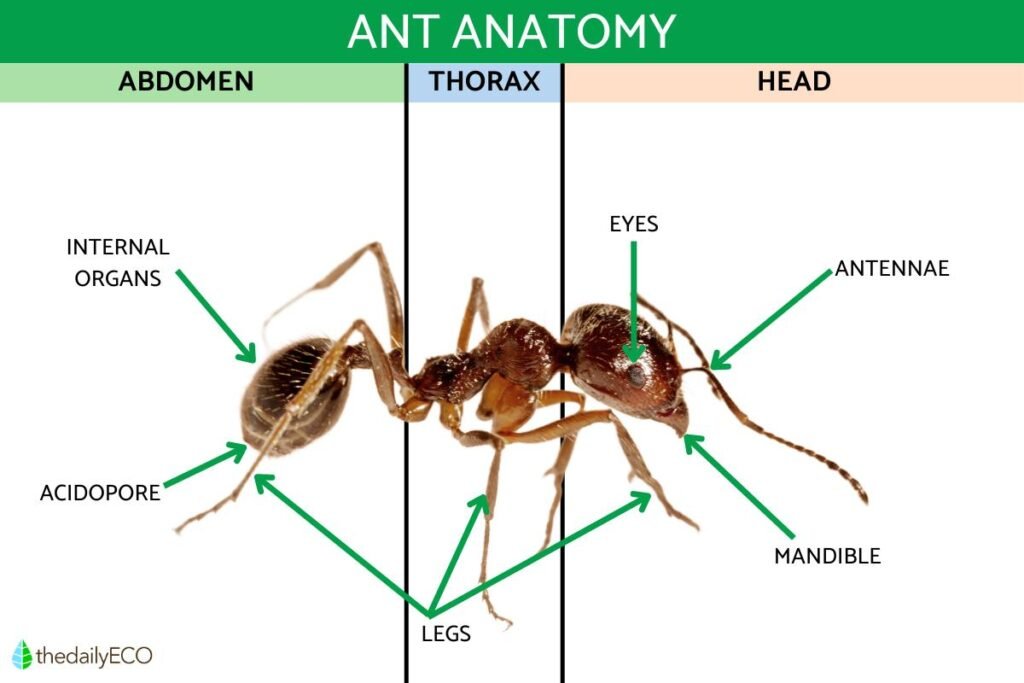
Ants are insects in the family Formicidae, and they are close relatives of bees and wasps. Like all insects, an ant’s body has three parts:
- Head: holds the eyes, jaws (mandibles) and antennae
- Thorax: the middle section, where the six legs attach
- Abdomen: holds the digestive organs and, in some species, a stinger
Key Physical Features
Ants have elbowed antennae, a narrow “waist” and strong mandibles. They use the antennae to smell, taste and touch, since their eyesight is often poor. Many ants can lift 10 to 50 times their own body weight, which is why they can move crumbs, seeds and even dead insects.
How Ant Colonies Work
An ant colony is a “superorganism.” Thousands or even millions of ants work together as if they were one body. No single ant is in charge. Each one follows simple rules and responds to chemical signals.
The Three Ant Castes
- Queen: She lays eggs and can live for years. Some queens live 15 years or more.
- Workers: These are sterile females. They gather food, build and clean the nest, and care for the young.
- Males: They exist mainly to mate with queens and die soon afterward.
How Ants Communicate
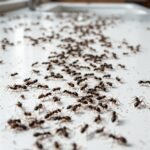
Ants talk through chemicals called pheromones. When a worker finds food, she lays a scent trail on the way home. Other ants follow it and reinforce it, which is why you see neat lines of ants marching to the same spot. They also use touch and sound vibrations to send alerts.
The Ant Life Cycle
Ants go through complete metamorphosis, which has four stages:
- Egg: The queen lays tiny eggs that workers carry and protect.
- Larva: Legless, grub-like larvae are fed by workers.
- Pupa: The larva changes inside a cocoon or bare pupal case.
- Adult: The ant emerges and takes on a role in the colony.
The whole cycle takes about six to ten weeks, depending on species and temperature. Warm weather speeds it up, which is why ant problems often get worse in summer.
Common Types of Ants
Knowing which ant you have makes control much easier. Here are the types people meet most often.
Carpenter Ants
These large black or reddish ants nest in damp or rotting wood. They do not eat wood, but they hollow it out to make galleries, which can weaken structures over time. Look for small piles of sawdust-like debris.
Fire Ants
Fire ants build large dirt mounds and give painful, burning stings. They are aggressive when disturbed and can be a danger to pets and children.
Pavement Ants
Pavement ants nest under sidewalks and slabs. They are small, brown to black, and commonly enter homes looking for food.
Sugar and Odorous House Ants
Tiny sugar ants love sweet foods. Odorous house ants give off a rotten-coconut smell when crushed. Both often trail into kitchens.
Leafcutter Ants
Found mostly in the Americas, leafcutters carry pieces of leaf back to their nests. They do not eat the leaves. They use them to grow a fungus that feeds the colony.
What Do Ants Eat?
Most ants are omnivores. Their diet depends on species and on what the colony needs at the time.
- Sweets: nectar, honeydew from aphids, syrup, soda and fruit
- Proteins and fats: dead insects, meat, grease and pet food
- Seeds and plants: harvester ants collect and store seeds
Workers often shift preference during the season. A colony may crave sugar for energy one month and protein for growing larvae the next. This is why a bait that worked last month may stop working.
Why Do Ants Come Into Your Home?
Ants enter buildings for the same three reasons: food, water and shelter. After heavy rain or a dry spell, outdoor nests can be flooded or dried out, pushing ants indoors.
Common Entry Points and Attractants
- Cracks around windows, doors and pipes
- Crumbs, spills and open food containers
- Leaking taps and damp areas
- Pet bowls left out overnight
- Trees or shrubs touching the house
How to Get Rid of Ants
The best approach is to remove what attracts them, then target the nest. Killing only the visible ants will not solve the problem, because the colony keeps sending out more.
Step 1: Clean and Remove Food Sources
Wipe counters daily and sweep floors. Store sugar, cereal and pet food in airtight containers. Take out trash often and fix any leaks.
Step 2: Block Entry Points
Seal gaps with caulk. Trim plants away from walls and keep firewood off the ground and away from the house.
Step 3: Break the Scent Trail
Wipe ant trails with a mix of equal parts white vinegar and water. This erases the pheromone path and confuses foragers.
Step 4: Use Baits to Reach the Colony
Slow-acting ant baits work best. Workers carry the poisoned food back to the nest and share it with the queen and larvae. Place baits near trails and avoid spraying near them, since sprays can scatter ants and spread the problem.
Natural Remedies
Many people have luck with cinnamon, lemon juice or diatomaceous earth along entry lines. These deter ants but rarely wipe out a whole colony, so treat them as support, not a cure.
When to Call a Professional
Call a pest control service if you see carpenter ants, find fire ant mounds near play areas, or the infestation returns after repeated treatment.
Why Ants Matter to the Environment
Not every ant is a pest. In nature, ants do important work:
- Soil care: Their tunnels aerate soil and help water reach plant roots.
- Seed spreading: Many plants rely on ants to carry and plant their seeds.
- Pest control: Ants eat other insects, including some crop pests.
- Food chain: They feed birds, lizards, anteaters and spiders.
If ants are staying outdoors, leaving them alone is often the best choice.
Quick Ant Facts
- Ants have been around for over 100 million years.
- The total weight of all ants on Earth is thought to rival that of all humans.
- Some species farm aphids for sweet honeydew, much like farmers keep cattle.
- Army ants have no permanent nest and move constantly.
Frequently Asked Questions
Do ants sleep?
Yes, but in short naps. Worker ants take hundreds of tiny rests each day, totaling around four hours.
How long do ants live?
Workers usually live a few weeks to a few months. Queens can live for many years.
Are ants dangerous?
Most are harmless. Fire ants sting, and carpenter ants can damage wood, but typical house ants are a nuisance rather than a threat.
Why do ants walk in a line?
They follow pheromone trails left by scouts who found food.
Conclusion
Ants are complex, hardworking insects with a social system more organized than many people expect. Understanding how they live helps you handle them better. Keep your home clean and sealed, use baits to reach the colony, and save professional help for the tougher cases. Outdoors, let them do their quiet work. They improve the soil and keep other insects in check.