


So, What Even Is “Muddy River News”?
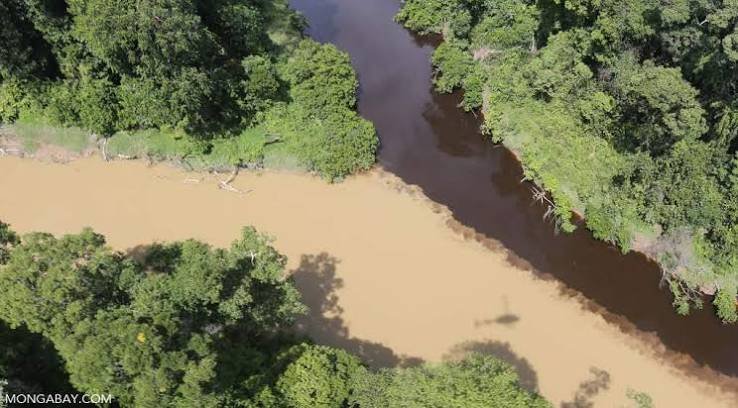
Okay, so here’s the thing. When people say “Muddy River,” they’re usually not talking about some random creek in the woods. There’s an actual, real Muddy River, and it runs right through the middle of Boston and Brookline, weaving along Frederick Law Olmsted’s famous “Emerald Necklace” park system. It’s small. It’s slow. And yeah, it lives up to its name, it’s muddy as heck, choked with silt, and honestly kind of overlooked for most of the year.
But not this year.
I grew up near a river like this. Not this exact one, but close enough that I get it, that weird mix of affection and exasperation people feel about a waterway that floods their basement one month and looks postcard-pretty with ducks on it the next. That’s the Muddy River in a nutshell. It’s not glamorous. It’s not the Charles. But people who live along it watch it closely, almost like checking in on a cranky old neighbor.
What’s Actually Happening Right Now
Here’s where it gets interesting. In October 2026, the Muddy River flooded hard enough to shut down part of the MBTA Green Line, water pooling over the tracks near Kenmore and the Fenway. The Boston Globe covered it, and honestly, it wasn’t a huge surprise to anyone who’s followed this river for a while. It floods. It’s kind of its whole thing.
Why, though? A few reasons, really. Decades of sediment buildup narrowed the channel. Culverts that are, let’s be generous, old. And climate change is dumping heavier, faster rainstorms on a system that was designed for a gentler era. Put those together and you get a river that can’t move water fast enough when a big storm hits.
The good news (there is some!) is that the Army Corps of Engineers and the City of Boston have been working a multi-phase restoration and flood-control project for years now, dredging, widening culverts, daylighting buried stretches of the river so it can actually breathe again. The Charles River Watershed Association tracks this stuff closely and has pushed for restoration for a long time. Progress is slow. Government projects always are, I think most of us know that by now. But it’s happening.
Still, the Green Line flooding in October was a reminder: this isn’t finished work.
Why Is It Even Called “Muddy”?
Turns out, the name’s been around since colonial times. Early settlers apparently looked at this slow, brown, silty little stream and thought, yep, that’s muddy, and just… named it that. No poetry. No legend about a lost explorer. Just very literal, very New England naming.
Funny enough, Frederick Law Olmsted (the guy who designed Central Park, if that name rings a bell) actually incorporated the Muddy River into his Emerald Necklace design back in the late 1800s. He saw potential in this muddy little nothing of a river. Built ponds, paths, stone bridges around it. Some of that Olmsted-era infrastructure is literally still part of the flooding problem today, which is sort of darkly funny if you think about it. A 19th-century landscape architect’s masterpiece is partly why your 21st-century commute got wet.
It’s Not Just About Flooding, Though
Here’s what I think a lot of flood coverage misses: the Muddy River is actually kind of beloved, in a weird, understated way. Runners use the path along it every single morning. Ducks, herons, the occasional very confused goose. Dog walkers. Students from the nearby colleges cutting through on their way to class, earbuds in, not even looking at the water.
In my experience talking to people who live nearby, most of them don’t think about the river at all until it does something, floods a street, smells bad in August, or suddenly has a bunch of excavators parked next to it for a restoration phase. Out of sight, out of mind. Then it reminds everyone it’s there.
There’s also a real, if scrappy, community of advocates who show up to public meetings about this stuff. Not glamorous work. Nobody’s getting famous fighting for better culverts. But it matters, and honestly, I respect it.
What To Watch Next
If you’re following “muddy river news” going forward, here’s what I’d actually keep an eye on: the next phase of the Army Corps dredging work, whether Boston’s flood-prevention upgrades hold up through next spring’s storms (spring runoff is always the real test), and whether the city follows through on the culvert replacements near the Fenway stretch. That’s the one that flooded the Green Line, so, yeah. Priority.
Will it ever stop being muddy? Probably not. That’s just what it is. But a muddy river that doesn’t flood your subway line is a pretty reasonable goal, and honestly, that feels achievable within a few years. I’ll believe it when I see it, but I’m cautiously optimistic.
Anyway. Keep an umbrella handy if you live near it.










Leave a Reply