
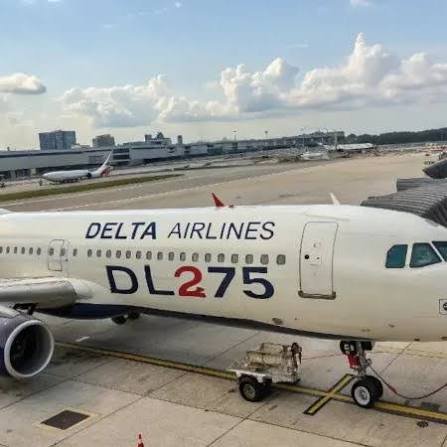

Delta Flight DL275 Diverted to LAX: What Happened and Why It Matters
Somewhere over the remote waters between Alaska and Japan, a routine transpacific flight took an unexpected turn. Delta flight DL275, en route from Detroit to Tokyo, diverted to Los Angeles International Airport (LAX) after the crew identified a technical issue mid-flight. The story quickly spread across flight-tracking communities and aviation news sites, leaving many travelers asking what actually happened — and whether it says anything about the safety of long-haul flying. This article walks through the confirmed facts, explains why LAX was the diversion airport of choice, and answers the questions passengers and aviation watchers are searching for.
What Happened to Delta Flight DL275
Delta flight DL275 departed Detroit Metropolitan Wayne County Airport (DTW) on the afternoon of May 27, 2025, bound for Tokyo Haneda Airport (HND). The aircraft, an Airbus A350-900 registered N508DN, was several hours into the roughly 13-hour Pacific crossing when the flight crew detected a problem with one engine’s anti-ice system while cruising near flight level 380, about 620 nautical miles southwest of Anchorage.
Rather than continue over open ocean, the crew made the call to turn back toward the U.S. mainland. After roughly five hours in the air, the aircraft touched down safely at LAX in the early morning hours of May 28. No injuries were reported, and the aircraft landed without further complication.
Why an Anti-Ice Malfunction Matters
An engine’s anti-ice system prevents ice from building up on critical components during flight, particularly at high altitude and in cold, moist air. A malfunction in this system can increase the risk of ice accumulation affecting engine performance, which is why flight crews treat anti-ice faults as a serious precaution — especially over long oceanic stretches with few alternate airports nearby. Diverting early, while an aircraft is still within reach of a well-equipped airport, is standard practice in this kind of scenario.
Why the Crew Chose LAX
With the aircraft roughly midway through its route, the crew had several options for a diversion airport. LAX stood out for a few practical reasons:
- Delta hub status. LAX is one of Delta’s major West Coast hubs, meaning ground staff, gate space, and rebooking support were readily available.
- Maintenance capability. LAX has facilities equipped to service Airbus A350 aircraft and their Rolls-Royce Trent XWB engines.
- Runway and airport infrastructure. A long runway and full emergency services made it a suitable option for a precautionary landing.
- Onward connections. Because Delta operates multiple daily flights between LAX and Tokyo, passengers had a realistic path to rebooking without an extended delay.
Together, these factors made LAX a more efficient choice than turning back to Detroit or attempting an emergency landing at a smaller airport along the route.
How Passengers Were Affected
For travelers aboard DL275, the diversion meant an unplanned overnight stop in Los Angeles rather than a direct arrival in Tokyo. Delta worked to rebook affected passengers onto later flights to Haneda and provided ground support while the aircraft underwent inspection. While specifics of individual compensation aren’t publicly documented in detail, airlines typically offer meals, hotel accommodations, and rebooking assistance for lengthy diversions caused by mechanical issues — and passengers affected by similar disruptions should keep documentation of expenses in case they need to request reimbursement.
Is This Diversion a Safety Red Flag?
It’s natural to wonder whether an incident like this signals a broader safety concern. In reality, diversions caused by system-level faults — including anti-ice issues — happen periodically across the industry and are part of how modern aviation maintains its strong safety record. Crews are trained to treat technical warnings conservatively, and diverting well before a problem escalates is exactly the kind of decision-making regulators and airlines want to see. The DL275 diversion ended with a safe landing and no reported injuries, which is the outcome this kind of precautionary process is designed to produce.
What to Do If Your Flight Diverts
If you ever find yourself on a diverted flight, a few steps can make the experience smoother:
- Stay near your gate area for updates from airline staff rather than relying solely on flight-tracking apps.
- Save receipts for meals, transportation, or lodging in case you’re eligible for reimbursement.
- Check your airline’s app for automatic rebooking options before waiting in line at the counter.
- Ask about compensation policies, since airline responsibility can vary depending on whether the cause was mechanical, weather-related, or something else.
Frequently Asked Questions
Why did Delta flight DL275 divert to LAX instead of returning to Detroit?
By the time the crew identified the anti-ice issue, the aircraft was closer to the West Coast than back to Detroit, and LAX offered the maintenance support, hub resources, and rebooking options needed to handle the situation efficiently.
Was anyone hurt during the DL275 diversion?
No. Reports consistently indicate the aircraft landed safely at LAX with no injuries and no further complications after touchdown.
How common are diversions like this one?
Technical diversions happen periodically across the airline industry. They’re generally treated as a sign that safety protocols are functioning as intended, not as evidence of a deeper problem with the aircraft type or airline.
Final Takeaway
The Delta DL275 diversion to LAX is a clear example of how airline safety protocols are meant to work: a technical issue was detected, the crew made a conservative decision, and the flight landed safely with no harm to anyone on board. While an unplanned diversion is never convenient for passengers, incidents like this one ultimately reflect a system built around caution rather than risk. For travelers curious about flight disruptions in general, understanding how and why diversions happen can make an unexpected layover far less stressful the next time it occurs.